
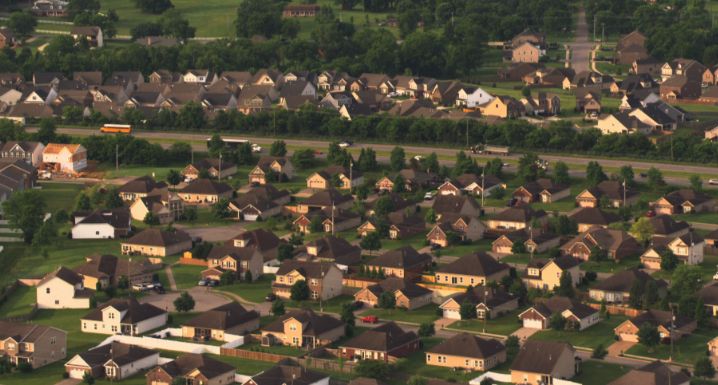


GALLATIN, Tenn. (WTVF) — Gallatin is proposing the biggest change to its development rules since 1998, and the overhaul could reshape everything from what gets built on your street to whether your neighbor can run an Airbnb.
A draft zoning ordinance — almost 600 pages long — was submitted to the Gallatin Planning Commission in April 2026. If adopted, it would replace the city's existing zoning code with an entirely new framework governing how land across the city can be used, developed, and built upon.
The proposal touches nearly every corner of city life: neighborhood design, housing, short-term rentals, flood safety, tree protection, rural land preservation, and where new parks and gathering spaces must be built.
Darren Christianson, who moved away from Nashville to build a home in Gallatin because the area seemed quieter, said he has noticed the effects of the city's growth firsthand.
"I think in general there is a lot of it and it is not apparent until you start driving around between 3-5 p.m. — six o'clock you start to realize just how many people live out here," said Christianson. "It seems like since we've gotten here it's actually gotten less quiet because I think people are moving here pretty regularly, like I have."
Christianson said the pace of growth has been noticeable since he arrived.
City Planner Brian Rose, who helped build the proposal, said the goal is to guide growth instead of react to it.
"You sit there and you build those things and the developer is gone after a couple years, but we deal with the end result of whatever got built for decades," said Rose.
The biggest changes
Your neighborhood gets a new label
The most fundamental change is a shift from traditional zoning — which mostly just separates uses like residential, commercial, and industrial — to a "character district" system.
Under the new framework, every property in Gallatin would be assigned to one of several character districts, ranging from CD-1 (Natural) for undeveloped land to CD-5 (Urban Center) for the densest mixed-use areas downtown.
Each district comes with detailed rules not just about what can be built, but about how it must look — including building heights, setbacks, materials, roof types, and even the design of front porches and garage doors.
The goal is to make sure new development fits the character of the neighborhood it's going into — not just check a box on a use table.
Airbnb and VRBO hosts face new rules
Short-term rental operators in Gallatin would face a significant new set of requirements under the proposal.
New rules would require hosts to:
- Obtain a city permit and pay an annual business tax
- Pass a Fire Marshal inspection before opening — and every year after
- Carry at least $1 million in liability insurance
- Maintain a local contact person available 24 hours a day, 7 days a week who can physically respond to complaints within one hour
Perhaps most significantly, short-term rentals that are currently operating legally but don't meet the new rules would be allowed to continue — but only until the property is sold or transferred. Once a property changes hands, the new owner must comply with current regulations.
That provision could affect property values for short-term rental operators who rely on rental income as part of their home's value.
New homes in flood zones must be built higher
Gallatin sits in an area with significant flood risk. The new ordinance would require new residential construction in designated flood zones to be elevated at least 4 feet above the base flood elevation — a standard that exceeds the federal minimum.
The city says the higher standard is designed to protect homeowners from flood damage and reduce flood insurance costs over time.
Violations of floodplain rules would carry fines of $50 per day, with each day constituting a separate offense.
Rural land at the city's edges gets new protections
As Gallatin continues to expand outward, the ordinance would create a Rural Conservation Overlay District designed to protect the city's agricultural character.
Under this provision, any development within a designated conservation overlay area would be required to permanently preserve at least 50 percent of the land as farmland or natural open space.
The remaining land could be developed — but only according to specific rules designed to cluster development and protect the surrounding landscape.
New neighborhoods must include places for people to gather
Under the proposal, any new development of 10 acres or more would be required to set aside a minimum percentage of land as open space — and at least half of that open space must be a designated civic space.
Civic spaces could include:
- Parks and greens
- Plazas and squares
- Playgrounds
- Community gardens
- Dog parks
- Pocket parks
These spaces would be permanently protected and maintained by a homeowners association for at least 40 years.
What happens next
The draft ordinance was submitted to the Gallatin Planning Commission in April 2026. Before it can take effect, it must go through public hearings and be approved by the Gallatin City Council.
Residents will have opportunities to weigh in during that process.
Gallatin is rewriting the rules for how your city grows — and your voice matters. Watch the full report to see how these changes could affect your street, your property, and your neighborhood's future. Have a tip about growth in your community, or a story about how Gallatin's expansion has affected your life? Reporter Kim Rafferty wants to hear from you. Reach out directly at kim.rafferty@NewsChannel5.com.
In this article, we used artificial intelligence to help us convert a video news report originally written by Kim Rafferty. When using this tool, both Kim and the NewsChannel 5 editorial team verified all the facts in the article to make sure it is fair and accurate before we published it. We care about your trust in us and where you get your news, and using this tool allows us to convert our news coverage into different formats so we can quickly reach you where you like to consume information. It also lets our journalists spend more time looking into your story ideas, listening to you and digging into the stories that matter.

September 11, 2001 is a day most associate with terror and tragedy. Austin Pollack shares a story from that day about hope and persistence: the effort to save a little girl’s life – with an organ donation. The problem? The young patient was in Houston, and her life-saving liver here in Nashville. With the grounding of all civilian aircraft, how could it be done? “Nobody ever said this isn’t possible.”
- Rhori Johnston