


LEBANON, Tenn. (WTVF) — As winter weather grips Middle Tennessee, there have been plenty of posts on social media about the storm and ways to protect your home in the cold.
Some posts focused on how to handle frozen pipes and there is even a claim about automatic disaster relief money from FEMA making the rounds.
While some tips are helpful, others could lead you astray.
On the topic of heating and plumbing, I visited Busy Bee Heating Plumbing and Air Conditioning in Lebanon.
Busy Bee’s Charles Calvert said there are two different approaches when it comes to preventing your pipes from freezing in the cold.
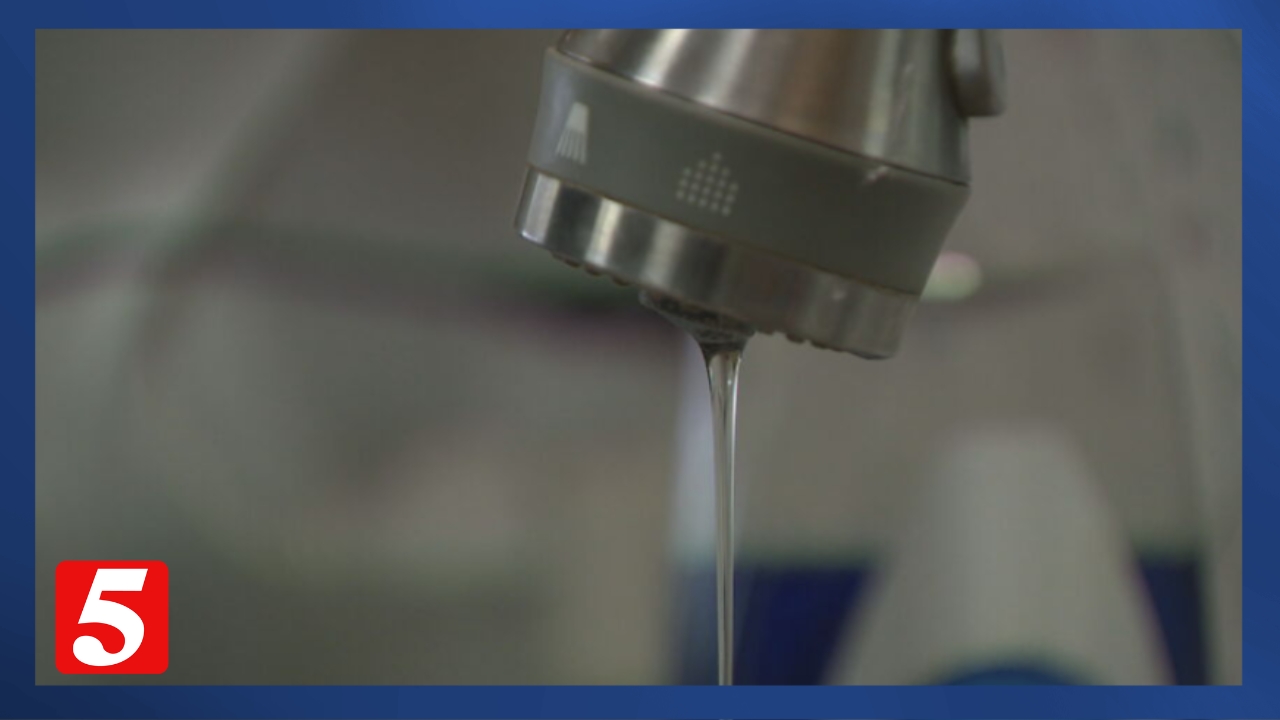
If you lose power but plan to stay in your house, you should run your faucets to keep pipes from freezing.
The colder it gets, the more water you should run from both hot and cold faucets.
"You want that water moving. That's why you see that ponds are starting to freeze over, but rivers are not," said Charles Calvert, plumbing service manager for Busy Bee Plumbing Heating and Air Conditioning.
However, if your power is out and you plan to leave your home, that's when you should turn off your water and drain your pipes.
While it is different for every house, Calvert said the main water shutoff is usually located in your front yard.
Many people have been posting online about their outdoor HVAC units getting covered in ice and making strange sounds.
If that concerns you, William Matheny with Busy Bee said there's a simple solution that can help.
"Best thing to do right now is kick it to emergency heat, and that eliminates the functionality of the outdoor compressor and fan running," said William Mathney, founder and CEO of Busy Bee Plumbing Heating and Air Conditioning.
When you switch to emergency heat, your HVAC system relies on a heating pump inside your house.
While it may not be as powerful, it can keep your home fairly warm until the ice outside melts.
"If you know your unit is set at 72 but you're maintaining a 65 or 68 degree indoor temperature with a heat pump, your unit's working," Matheny said.
For people who’ve had their power go out for more than 24 hours, some posts are giving hope about possible funding, but it may be too good to be true.
Rumors have been circulating online that FEMA money is automatically being deposited into bank accounts for storm-related expenses from folks who’ve had a power outage, but FEMA said that’s not entirely true.
FEMA had to issue a statement calling the effort misleading; click here to see that post from FEMA.
While you can reach out to FEMA for possible help, leaders said Tennessee's request for an emergency declaration does not include financial assistance for individuals.
FEMA directed me to the Tennessee Emergency Management Agency, which said the best way to find out if financial assistance might become available down the line is to keep checking their website for updates.
Click here for that TEMA website.
This story was reported on-air by Robb Coles and has been converted to this platform with the assistance of AI. Coles verifies all reporting on all platforms for fairness and accuracy.
Do you have more information about this story? You can email me at robb.coles@newschannel5.com.

Kelsey Gibbs brings us a powerful story of humanity, compassion, and love in action while showing us the hard and lifesaving work our officers do daily. Nashville is lucky to have people like Lt. Hotz wearing the badge.
- Carrie Sharp