


NASHVILLE, Tenn. (WTVF) — Death Row inmate Darrell Hines is scheduled to be executed at 10 a.m. on August 13. If carried out, he will become the 17th person executed in Tennessee since the state reinstated capital punishment in 1976.
Questions continue to surround the Tennessee Department of Correction’s execution protocol following the botched May 21 execution attempt of Tony Carruthers. That procedure led Gov. Bill Lee to grant Carruthers a one-year stay of execution after officials spent more than an hour unsuccessfully trying to establish a backup IV line for the administration of pentobarbital. The physician overseeing the procedure was also not certified to insert a central line.
Secrecy surrounding the protocol planned for Hines’ execution has prompted Republican senators and representatives, along with medical professionals, faith leaders and human rights groups, to urge the governor to pause executions pending an independent review. They are calling for deficiencies to be corrected and for testing results and personnel qualifications to be made public. Republicans concerns are not rooted in opposition to the death penalty itself, but in ensuring it is carried out lawfully and competently.
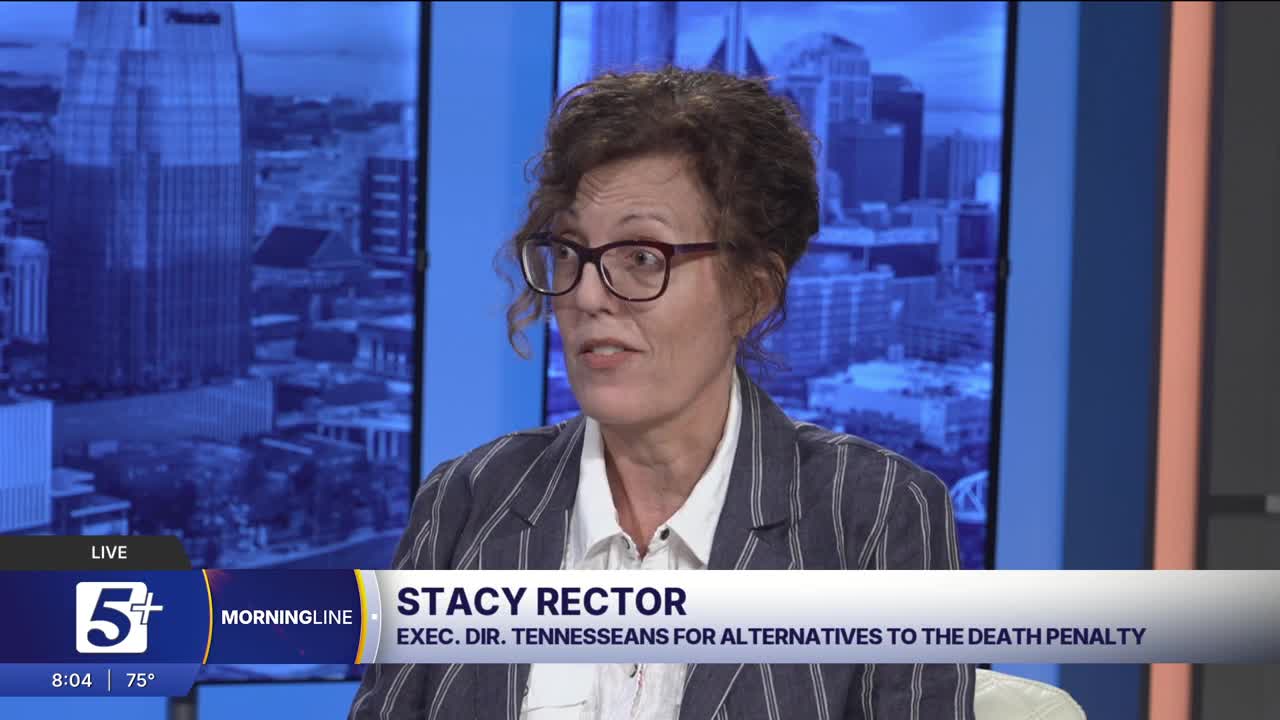
Stacy Rector, executive director of Tennesseans for Alternatives to the Death Penalty, says the decades-long process for inmates on Death Row — 40 years in the case of Darrell Hines — can leave victims’ families trapped in a cycle of uncertainty and retraumatization. Families often endure years of appeals, delays and legal proceedings while waiting to see whether an execution will ever be carried out, or whether the inmate will instead die in prison before the process is complete.
Rector argues that justice could instead be served through a sentence of life without the possibility of parole, sparing victims’ families from repeatedly reliving the trauma and uncertainty tied to prolonged death penalty appeals.