

NASHVILLE, Tenn. (WTVF) — For decades, Tennessee has consistently ranked among the bottom ten states in per-pupil spending on public education. This past year, the state hit a stunning new low — ranking 51st in the nation when the District of Columbia is included.
Chronic underfunding has far-reaching consequences: fewer classroom resources, outdated textbooks and materials, overcrowded conditions, lagging technology, and serious challenges in hiring and retaining quality teachers. Local school districts are often forced to prioritize student needs over building repairs — a choice that can increase long-term maintenance costs and compromise safety.
Despite these challenges, Governor Bill Lee and state legislators nearly doubled the number of Education Freedom Scholarships — $7,530 per student — expanding the program to 35,000 children to private schools, a total price tag of $304 million for the 2026–27 school year. Under Tennessee’s Education Savings Account rules, each additional student leaving Metro Nashville Public Schools for a private school will cost Davidson County an estimated $9,700 to $10,000, depending on the TISA funding formula. That money is pulled directly from the county’s education budget and moved into a separate account.
On the federal level, recent cuts have frozen or reduced budgets for K–12 programs and staffing, federal work-study, education research, and student loan forgiveness. Tennessee schools also felt the immediate sting of a sudden 20% reduction in the state’s education budget.
Adding to the strain, state legislative actions have reshaped equity, civil rights, immigration status, student privacy, safety, and discipline policies — restricting classroom discussions on racism, bias, gender identity, reproductive health,.
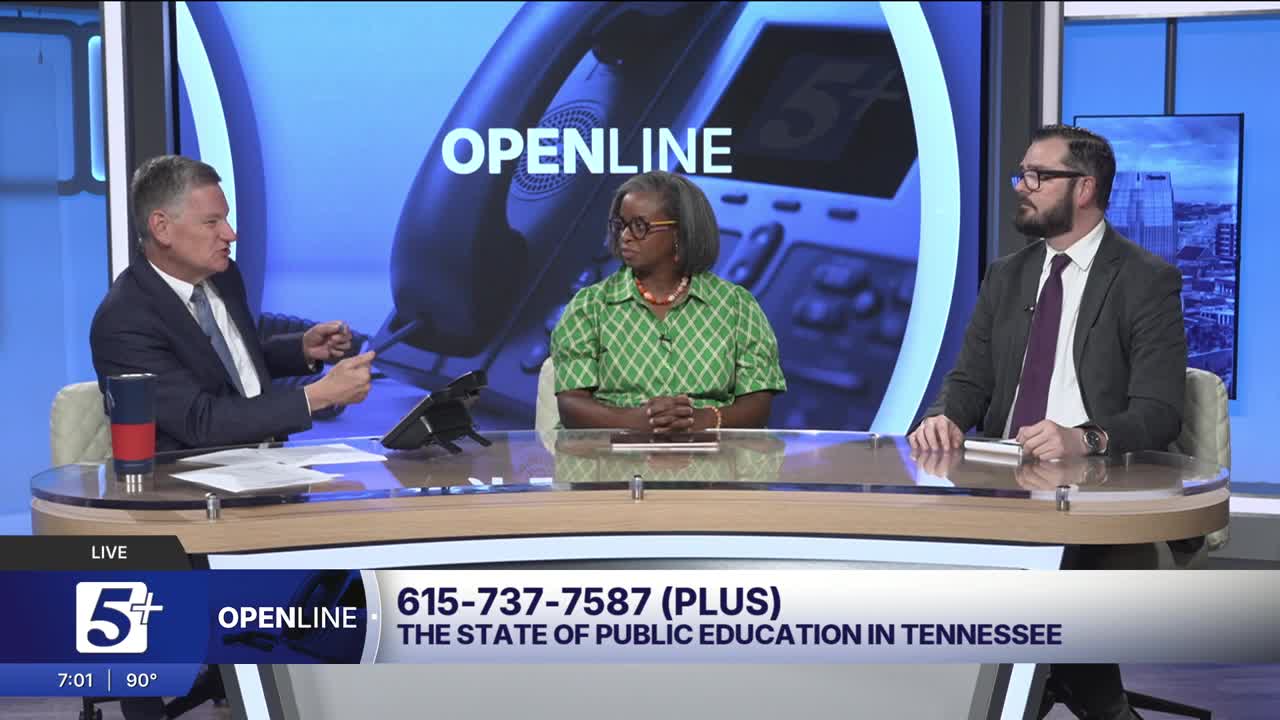
Tennessee Education Association Government Relations Director Drew Sutton and Metro Nashville School Board Chair Freda Player join host Ben Hall to break down how these state and federal decisions are impacting Tennessee’s students, educators, and communities.
This story was reported by a journalist and has been converted to this platform with the assistance of AI. Our editorial team verifies all reporting on all platforms for fairness and accuracy.