



New York Gov. Kathy Hochul declared a state of emergency Monday as the state surpassed 100 measles cases this year.
According to state health officials, New York has recorded 108 cases in 2026, including 92 identified since July 15 in underimmunized rural communities across 18 counties.
Otsego County has reported the highest number of cases, with 20 this year.
The outbreak comes as the United States experiences its highest level of measles activity in three decades. Neighboring Pennsylvania has reported more than 1,000 cases, including 106 in the past week. The state also has reported five measles-related deaths this year.
RELATED STORY | Interactive: How to protect yourself as Pennsylvania reports 2 more measles deaths
Health officials say declining vaccination rates have played a significant role in the rise in cases.
"After reviewing the latest data on measles cases in New York state, I am declaring a State Disaster Emergency to strengthen our ongoing efforts to confront this disease," Hochul said. "No one should get seriously ill or die from a vaccine-preventable disease. That is why I have taken steps to increase the number of health professionals who can vaccinate and test. These emergency measures will protect New Yorkers and support our community partners as they work tirelessly to address the spread of this disease."
The order expands the pool of health care professionals authorized to administer measles vaccines. Advanced emergency medical technicians, paramedics, pharmacists and midwives are now eligible to provide vaccinations.
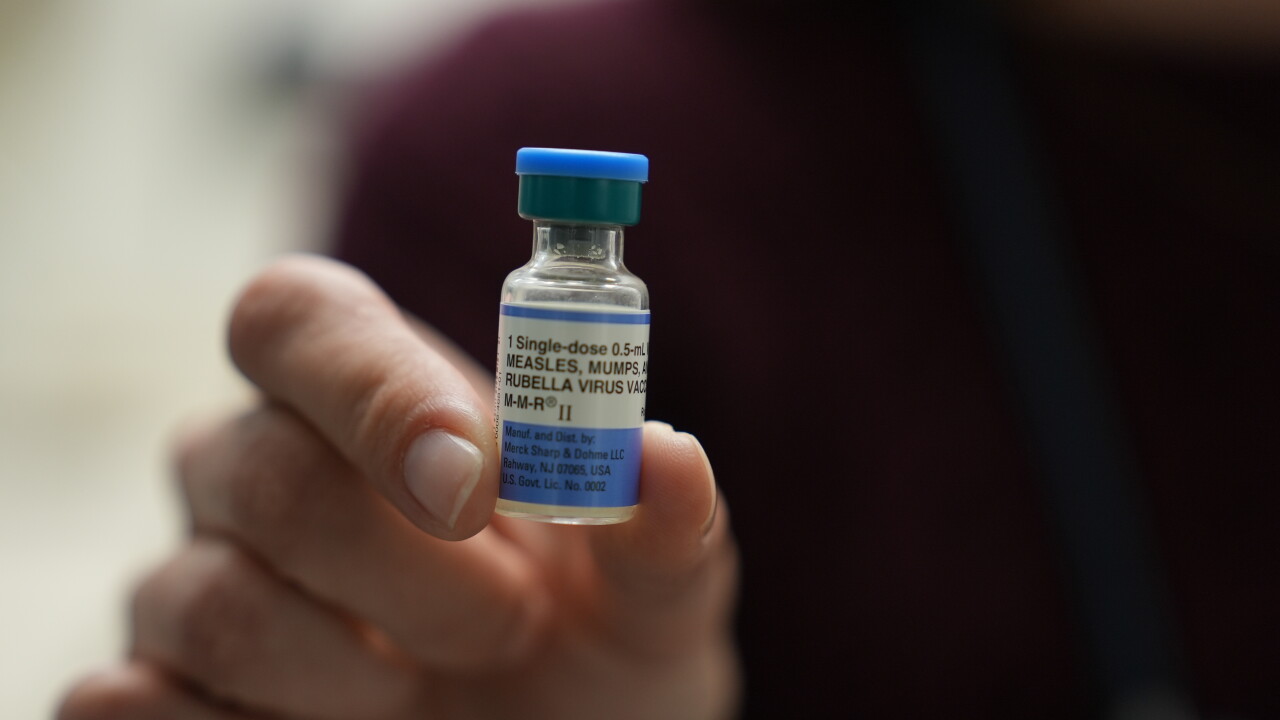
Health officials continue to promote the measles, mumps and rubella vaccine, known as MMR, as the most effective protection against the highly contagious virus. According to health authorities, two doses are about 97% effective at preventing measles.
The Centers for Disease Control and Prevention reported that only 8% of people with confirmed measles cases had a known history of vaccination.
RELATED STORY | Fifth Pennsylvania death underscores nation's worst measles year in decades
Children are routinely vaccinated against measles between 12 and 15 months of age and again between ages 4 and 6 before entering kindergarten. Infants as young as 6 months can receive the vaccine if they are at increased risk of exposure.
