

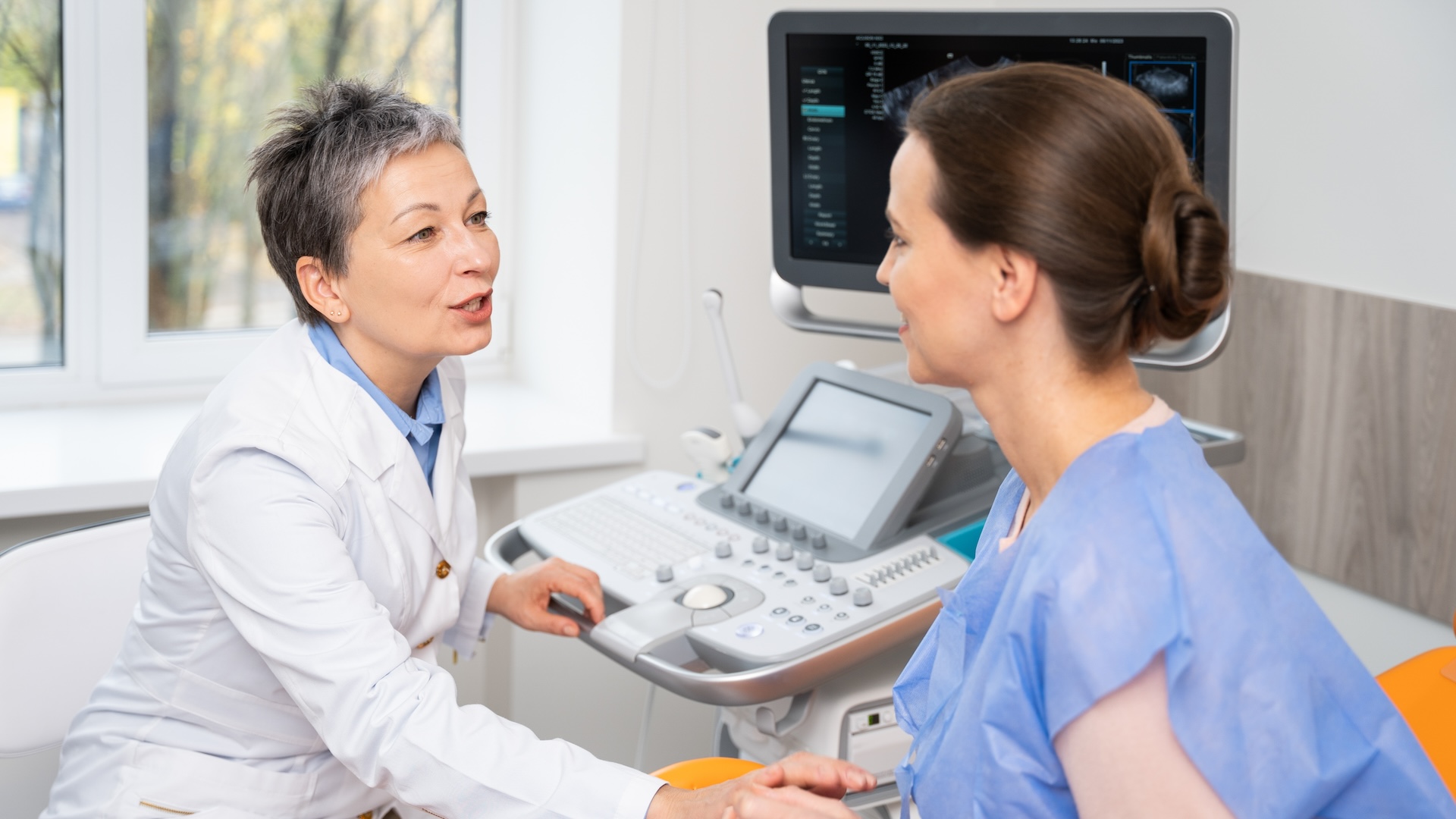


Menopause is often associated with hot flashes, mood swings and hormonal changes, but there's another health concern: The transition into menopause may be an important window for identifying cardiovascular risks that could have long-term consequences.
Scripps News spoke with OB-GYN and best-selling author Dr. Jen Ashton and with American Heart Association medical expert Dr. Emily Lau about menopause and its indicators for long-term health.
"We have to remember that it's normal and it is a privilege to live to the stage in life where a woman goes through menopause" Ashton said. "That obviously wasn't always the case. But I think now we're finally beginning to understand that it's not just hot flashes and dry skin and some weight gain, but that those kind of issues that a woman, many women experience, actually have broad and potentially serious implications on our overall health and well-being.
"One of those links is between menopause and cardiovascular health or heart disease. While we want to normalize the stage in life, we also want to optimize it and increase awareness, not just for the woman who's going through it, but for all of the medical professionals that she interacts with. So that we can prevent future heart disease, which is the number one killer of women and men worldwide."
"Preventing it comes with awareness screening, modifying behaviors in some cases, decades before a woman may start thinking of heart disease herself," Ashton said.
RELATED STORY | Study finds chronic stress may be quietly reshaping your heart
"Most people are not aware that menopause is a time of accelerating cardiovascular disease risk," said Lau. "What we see in women as they go through menopause is that their blood cholesterol levels will go up, their blood pressure can increase, body composition changes quite a bit. We see that women will start to lose lean muscle mass and increase their fat mass. And as a result, we see a lot of changes like insulin resistance, metabolic disease, and all of these risk factors are known increase a woman's risk of developing heart disease later on in life."
"I think that's why menopause represents such a pivotal moment for cardiovascular disease prevention," Lay said. "As a patient, I think it's really important to know your numbers. Know what your blood cholesterol is, know what your blood pressure is, and have a conversation with your physician about how you can be proactive. This is a time to optimizing your cardiovascular health so that we can ultimately prevent heart disease later on in life."
Watch the full interview with Ashton and Lau in the video above.
