

COOPERTOWN, Tenn. (WTVF) — Coopertown, a Middle Tennessee town of about 5,000 people, is removing its automated license plate readers after growing community concerns about privacy and potential Fourth Amendment violations.
Mayor Jeff Smith says the town is ending its contract with Flock Safety, a company that provides license plate reader technology to law enforcement agencies.
"The intent was to save and help reduce crime, save lives, get people home safely, things like that," Smith said.
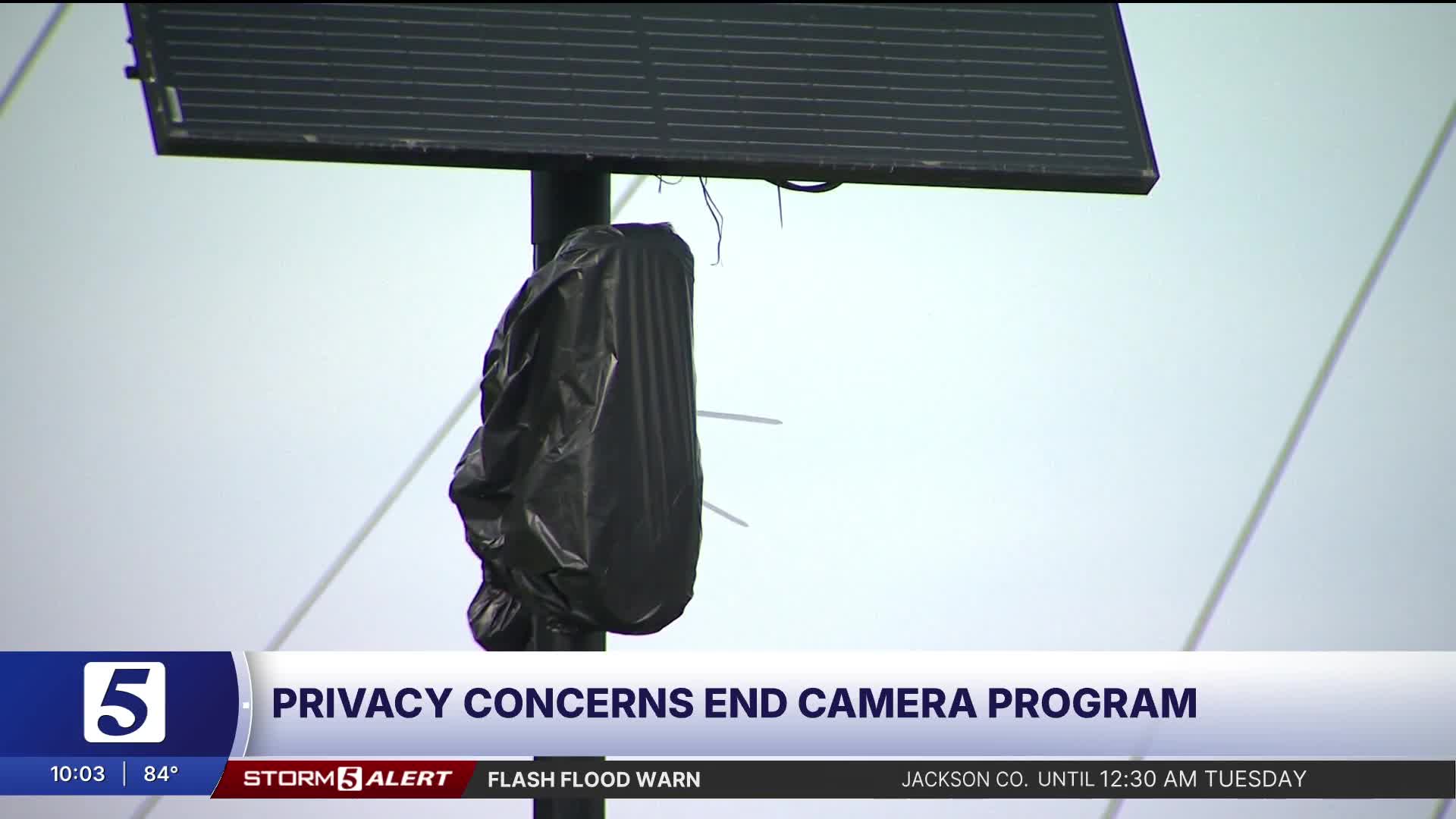
The Coopertown Police Department installed 4 cameras designed to capture images of passing vehicles and license plates entering and leaving town. Officers used the system to search for vehicles connected to investigations.
The town approved a two-year, $25,000 contract for the cameras. During the time the system was active, the cameras scanned more than 585,000 license plates, but officers searched only 769 of them — just over one-tenth of one percent.
Police Chief Tyler Haley says the technology proved valuable.
"We have solved a harassment case, a stalking case. It's helped us get better leads on theft, whether it be property theft or breaking and entering into a home," Haley said.
Haley says the cameras also helped investigators find leads and locate missing people, and he expressed concern about what losing the technology could mean moving forward.
"It may delay some investigations in the future. It may prohibit leads, and I hate — I hate that people may have to lay their heads down at night and not know where their loved one is based on the fact we could have maybe found them. My goal was to bring loved ones home and to help solve crimes and maybe deter crimes," Haley said.
The announcement came one day after Haley publicly defended the technology in a lengthy memo to residents. In it, he argued the cameras did not track a person's every movement and said officers could not see whether someone was going to church, the grocery store, or other destinations.
Despite those benefits, residents raised major concerns about surveillance and data collection.
"So the concern of the public is, hey, you can see where I've gone over a 30-day period or a seven-day period or whatever. So they believe it's a Fourth Amendment violation," Smith said.
Smith says he reviewed emails and comments from both supporters and critics before deciding to remove the cameras.
Smith also defended the system's design, noting it does not display personal information when scanning a plate.
"The Flock system itself, when you drive past it, your name doesn't pop up, it doesn't say where you live, it doesn't say all that stuff. It says, here's the plate. Here's what it thinks you're driving," Smith said.
License plate readers have faced scrutiny nationwide after reports of officers in other cities misusing the technology to stalk former partners. Flock has since updated its policies, shortening data retention from 30 days to 7 days and requiring case numbers for searches.
Smith acknowledged the decision was not straightforward.
"It's not been an easy decision. I went back and forth over comments myself, you know, trying to decide, is this the right thing, not the right thing, et cetera. 'Cause I wanna do what's right for the citizens. I want to protect them with our police department as best as we possibly can. But I also wanna respect their wishes as well and try to align those as best as we can," Smith said.
Smith says police stopped using the system immediately and cut access to Flock's larger camera network used by other cities. He noted the cameras may still appear active until they are covered or removed.
Automated license plate reader surveillance is not entirely gone from the area, however. The Robertson County Sheriff's Office still operates 2 license plate readers within Coopertown town limits. Smith suggested anyone concerned about those cameras contact the sheriff's office directly.
Do you have more information about this story? You can email me at Patsy.Montesinos@NewsChannel5.com

September 11, 2001 is a day most associate with terror and tragedy. Austin Pollack shares a story from that day about hope and persistence: the effort to save a little girl’s life – with an organ donation. The problem? The young patient was in Houston, and her life-saving liver here in Nashville. With the grounding of all civilian aircraft, how could it be done? “Nobody ever said this isn’t possible.”
- Rhori Johnston