



NASHVILLE, Tenn. (WTVF) — A former Metro councilman and leader of a large North Nashville church is accused of being part of a massive and ongoing "fraud scheme" to steal more than $200 million from a major drug manufacturer.
NewsChannel 5 Investigates has learned that Jerry Maynard Jr., along with his father, Jerry Maynard Sr., and sister, Misha Maynard, are among the defendants named in a federal civil lawsuit filed last week by drug company Eli Lilly.
They are accused of being part of an operation that bought "enormous quantities" of the diabetes drug, Trulicity, over at least the last five years, and then turned in hundreds of thousands of drug rebate claims for the drug, according to the lawsuit, for "fictional" patients, supposedly members of the Church of God In Christ, a Pentecostal denomination.
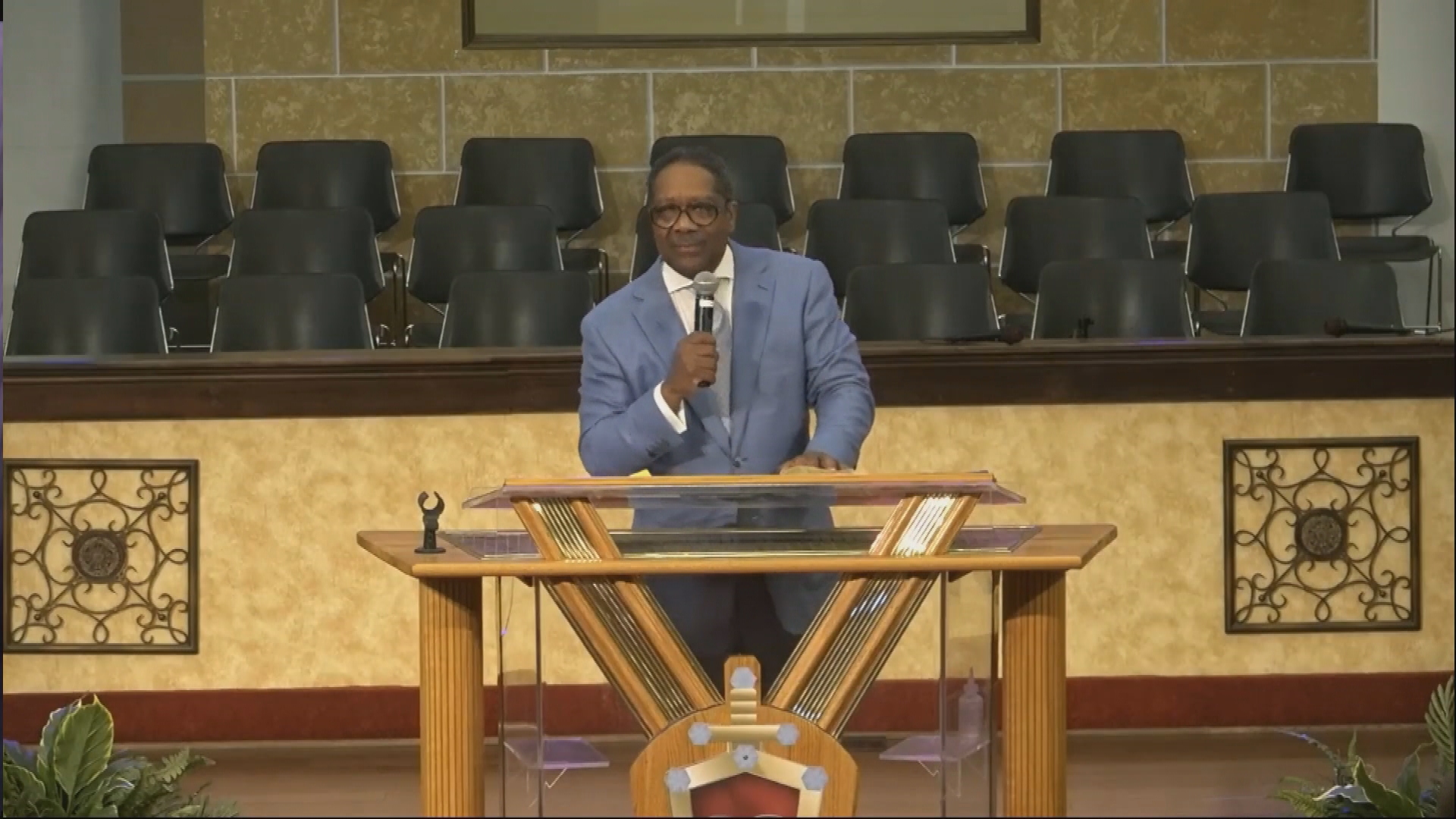
Maynard Jr., who once served as a Metro councilman at-large and has run a high-profile lobbying and business consulting firm, is the longtime Senior Pastor at the Cathedral of Praise, located off Clarksville Pike. According to its website, the church is part of the Church in God in Christ denomination.
Maynard's father serves as Bishop of the church. His sister Misha is the church's COO and pastor of operations.
At this past Sunday's service at the church, the mood was upbeat and celebratory, until Maynard told the congregation, "I don’t know about you, but I’m tired of people accusing me of stuff I didn’t do because I’m associated with them or because I knew you."
This moment in the sermon came just days after the Maynards were accused of being part of a larger conspiracy to commit fraud through two businesses, DrugPlace, a supposed mail-order pharmacy, and Community Health Initiative.
Eli Lilly alleges that Community Health was started at the Maynards' church and that Pastor Maynard and his sister had leadership roles in the company. The lawsuit claims Bishop Maynard was actively involved in promoting the business, which purported to recruit patients and administer the Church's prescription drug cost share program.
However, according to the lawsuit, Community Health was merely a front to get nearly $250 million in rebates from Eli Lilly.
Investigators working for Eli Lilly conducted surveillance of the DrugPlace offices near the airport and reported finding no signs of "either a retail or mail-order pharmacy" and instead saw workers deliver bins from the site to several locations in Murfreesboro, including a health clinic, hospital, and pharmacy.
Yet, the lawsuit alleges that while DrugPlace was reselling the drugs, it filed tens of thousands of rebate claims on behalf of supposed church members who had bought the medicine.
And Eli Lilly says in its suit that after it discovered those questionable claims, it repeatedly asked DrugPlace to provide records to authenticate the requests and, despite being required to maintain this sort of documentation by state laws, DrugPlace never provided anything satisfactory.
The lawsuit claims the former Metro councilman also worked for DrugPlace which had an office off Donelson Pike near the airport. Community Health later used this same address.
But a spokesperson for Eli Lilly later said in a statement, "When the defendants learned that they had been discovered, DrugPlace shuttered its Nashville pharmacy and began liquidating assets—conduct consistent with covering its tracks."
The drug maker alleges that the problems with DrugPlace date back more than 10 years and that Eli Lilly ended its relationship with the company in 2015 due to "serious concerns" about rebate claims DrugPlace made between 2011 and 2015 when it was first working with Community Health, the prescription cost share program for members of the Church.
The lawsuit maintains that after Eli Lilly stopped working with DrugPlace, the company then used a series of "middlemen" to continue to buy drugs from Eli Lilly and request rebates while hiding the fact from the drug company.
The lawsuit also mentions how some of the defendants in this case were "previously implicated in a lengthy string of healthcare fraud schemes."
NewsChannel 5 Investigates found that Bishop Maynard was one of those. Federal court records connect him to a money laundering scheme that was the focus of a series of criminal and civil lawsuits against a healthcare company. In court documents, it's described how Bishop Maynard allegedly set up a fictitious charity to funnel proceeds from fake co-payments. He refused to be questioned by attorneys and was never criminally charged.
The drug maker alleges the fraud began more than a decade ago, which is about the same time Jerry Jr. and his sister's company, Community Health Marketing, was getting nearly $40,000 a month to do public relations and lobbying work for Nashville General Hospital, a controversial contract that was terminated just last year.
NewsChannel 5 Investigates reached out to all three of the Maynards.
Jerry Maynard Jr. told us in a statement, "Although I have not yet been served with a lawsuit, I am aware that I have been named in litigation filed by Eli Lilly. I categorically deny any involvement in, or knowledge of, any illegal scheme or improper conduct alleged in their complaint. I have never served as legal counsel for, sat on the board of, or participated in the management of any entity accused of wrongdoing in this matter. I intend to vigorously defend myself against these allegations and address these allegations through the appropriate legal process. Because this matter is pending litigation, I will not comment further on the lawsuit nor specific allegations at this time."
Jerry Maynard Sr. and Misha Maynard have yet to respond to our calls and emails.
The drug company is asking a judge for a temporary restraining order to immediately stop the defendants from what it called continuing "unlawful behavior" along with "full restitution."
One other individual from Middle Tennessee was also named in the federal lawsuit for his alleged role in the scheme, Edward Enriquez of Murfreesboro.
