

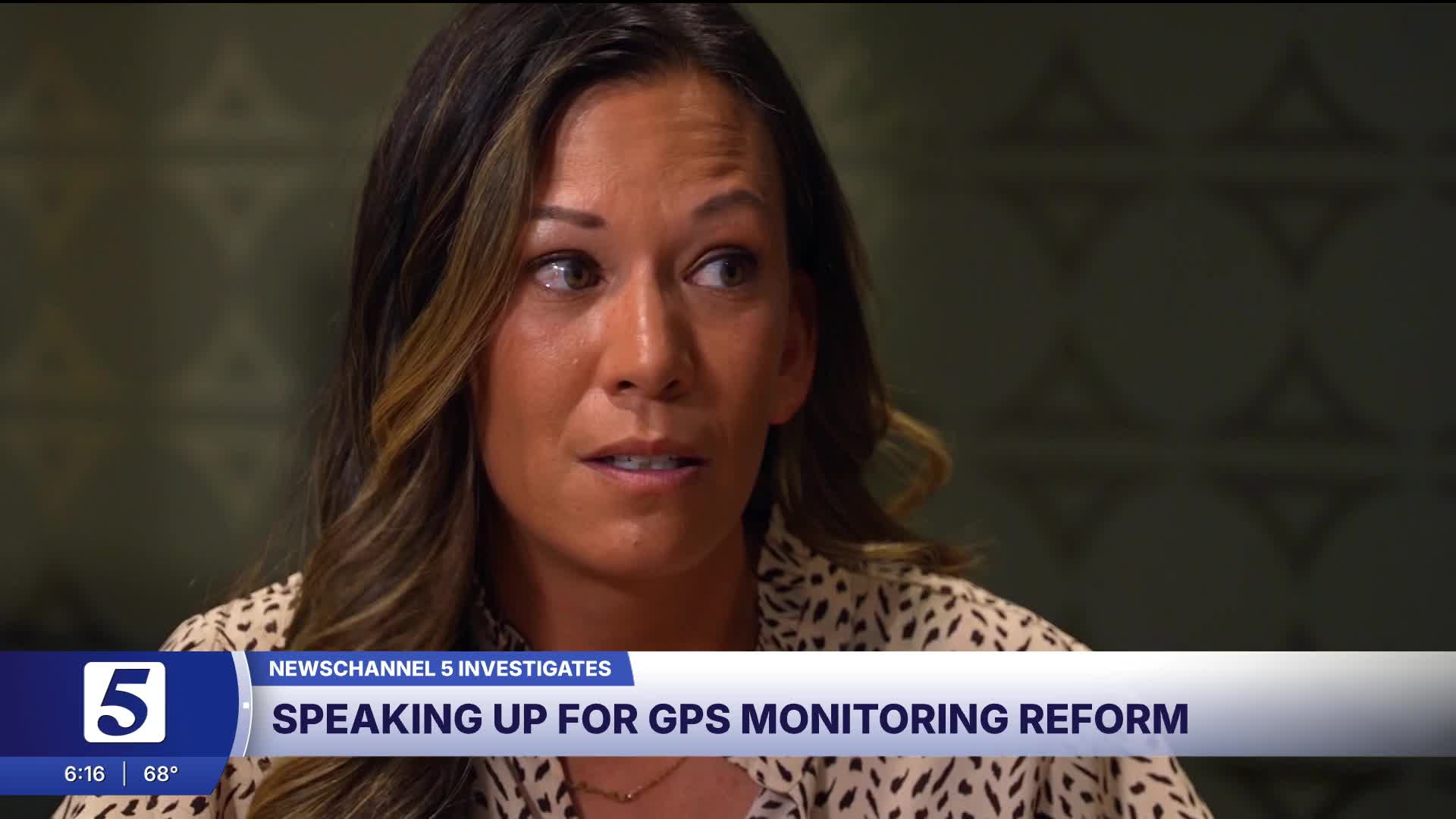


NASHVILLE, Tenn. (WTVF) — It was almost as if a different Gina Ehsani walked through the doors of NewsChannel 5, weeks after I first met her outside a Nashville courtroom.
For years, she had heard from judges, attorneys and victim advocates who all said what she experienced paying for someone else’s court-ordered GPS tracker was unlike anything they had seen before.
Watch follow-up report from Levi Ismail
Gina said it was the closest thing to feeling alone, until she wasn’t. Now she couldn't help but smile thinking of the overwhelming show of support.
After I published her story on air, online and across social media, it was shared thousands of times over.
"It was absolute wow. I had no words. There was more support on social media than I feel like I've got in six years," Gina said.
Earlier this month, Gina told NewsChannel 5 Investigates about how she spent more than $16,000 over four years to keep her estranged husband on GPS monitoring.
Pehjman Ehsani was charged with aggravated stalking and multiple violations of an order of protection but agreed to wear a GPS monitor as part of his pre-trial release.
He later told the court he was indigent and could no longer afford to pay for his own monitoring. The GPS monitoring company was prepared to release Pehjman from their service, but that's when Gina stepped in.
"I stepped in and said I will pay for it. $330 a month. You can have it," Gina said.
At the time, Gina's case was one of the first we had seen where someone was forced to pay for court-ordered GPS monitoring because the defendant couldn't afford it.
"Yes, and I'd do it again if I had to because you have to keep going," Gina said.
I asked Gina to find not only the comments that meant the most, but also those she believes need clarity. One comment read, "Why is the monitor worth $330 a month?"
"Unfortunately, I've been on two different tracking companies. One was about $200 and the other was $330 a month. So, it's not cheap because they're private businesses," Gina responded.
That's not to say help was hard to find, it's just not the help Gina was searching for or could even accept.
"I mean, people were finding me and saying, I'll give you my credit card and just let me pay for it every month. That I had no words for," Gina said.
Tennessee's electronic monitoring indigency fund, meant to cover the cost of these devices when offenders can't pay, covers things like ignition interlock for DUI offenders and sex offenders, but not this.
"We can't change the law to require domestic violence offenders to have pre-trial tracking and not give all the options for the follow-up," Gina said.
One comment that stood out came from State Sen. Gloria Johnson, who said, "Yes, it's insane. The GOP says they're tough on crime and then do this. This bad legislation is why TN is experiencing the highest rate of women killed by men in 30 years."
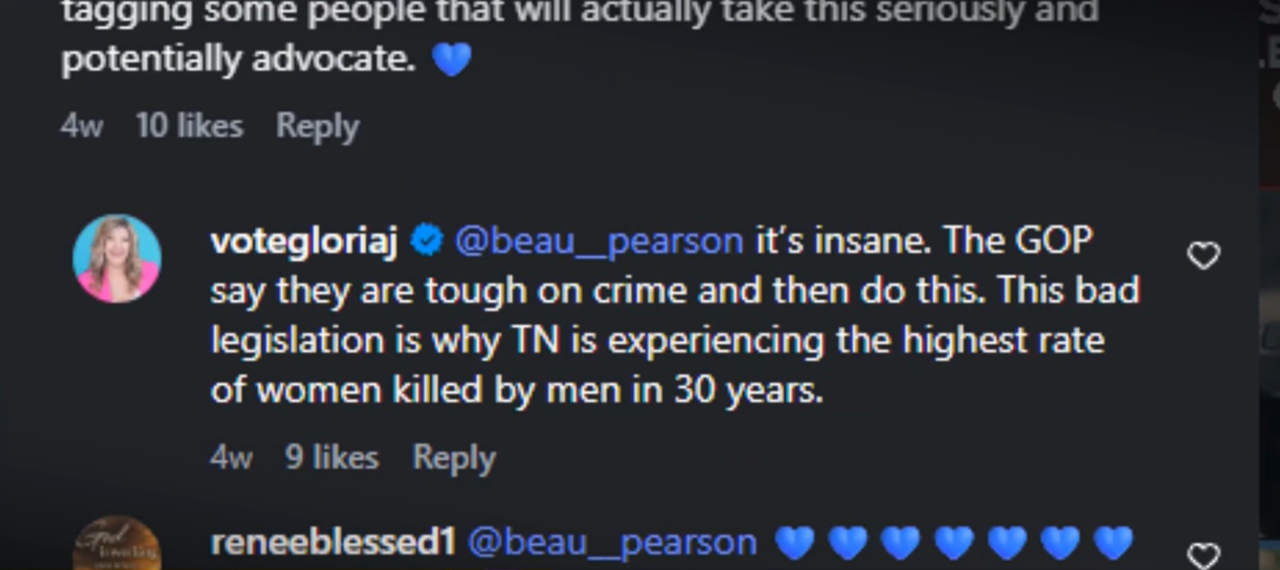
I asked Gina what she thought and her response, "Do something about it. It's not just about typing out a response on a Facebook post. Let's do something about it," Gina said.
The question I kept seeing, over and over, boiled down to one word: how? How did Pehjman get out of jail in the first place if he couldn't pay for GPS monitoring himself as a condition of his pre-trial release?
From what Gina explains, Pehjman may have exploited a little-known loophole that let him get out of jail without consequences if he couldn't pay for monitoring.
Gina has no idea whether this was Pehjman's plan all along, but he later pleaded guilty to several counts of violating her order of protection.
A new plea deal meant Pehjman stayed behind bars while waiting on sentencing, even though Gina says she understands why some assumed he was still out on bond.
Pehjman is expected to be sentenced next week and faces three years behind bars. Gina no longer needs the GPS tracker, but that hasn't stopped her from advocating for better victim protection.
She knows turning words into action won't be easy, but Gina says she's counting on your words and more of your stories to remind lawmakers that no victim should be forced to pay for their own protection.
