

NASHVILLE, Tenn. (WTVF) — The longest government shutdown in U.S. history left families across Middle Tennessee scrambling to put food on the table.
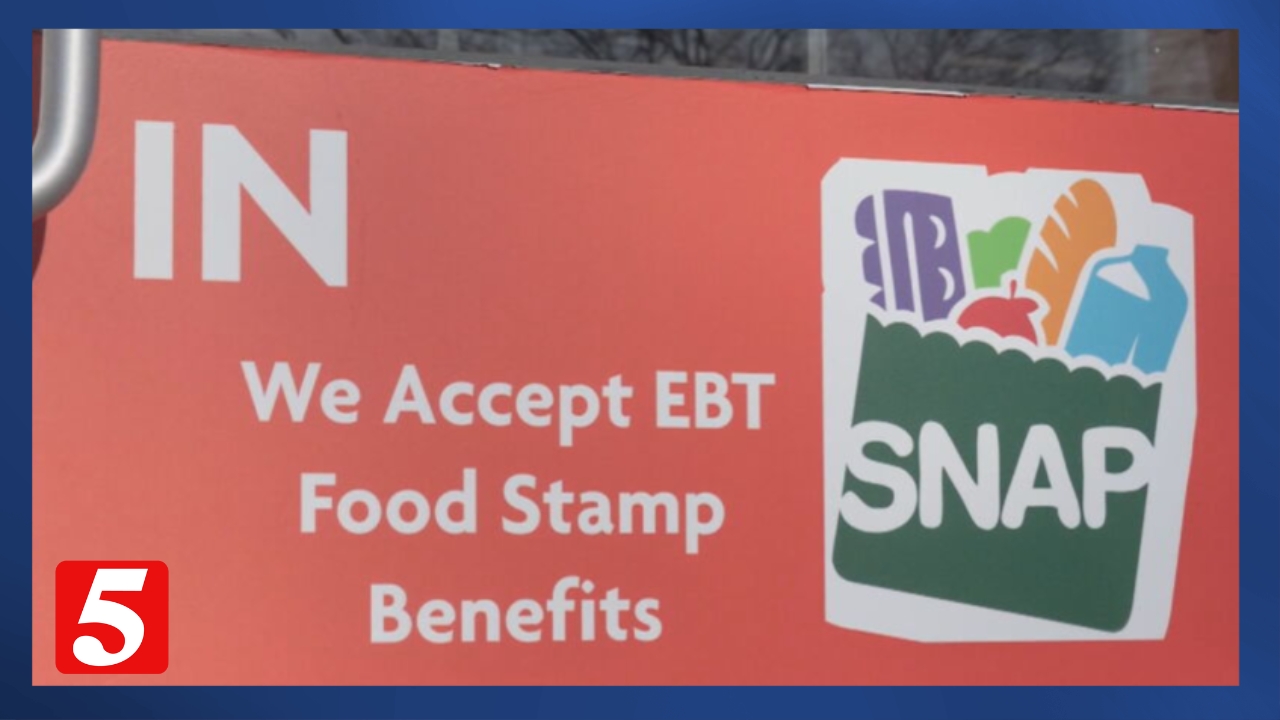
The 43-day shutdown, which stretched from October into mid-November, forced federal workers to miss paychecks, strained food banks and raised fears that Supplemental Nutrition Assistance Program benefits would not be funded on time.
While lawmakers traded blame in Washington, families dependent on federal programs said the impact was immediate and personal..
As paychecks were delayed, nonprofits and churches braced for an increase in need, already strained by rising grocery prices.
“We had an IRS office here in Cool Springs, and 150 of those 300 employees came to us to get food,” one food pantry representative said. “They went 40 days without a paycheck.”
Many Middle Tennessee counties already operate food assistance programs, including food box giveaways through Metro Social Services, but advocates warned the situation could worsen if SNAP benefits were disrupted.
Signe Anderson with the Tennessee Justice Center said delays in funding would have real consequences.
“Not coming together to find a solution will mean people in their communities are going hungry,” Anderson said. “It’s really important that decision-makers understand the consequences of not making sure families have access to their SNAP benefits.”
SNAP recipients shared their stories with NewsChannel 5, hoping lawmakers would understand how deeply families rely on the program, especially while juggling housing costs, medical bills and other expenses.
“The SNAP program — it’s a safety net,” one recipient said. “I never even imagined it that way, but it truly just caught my family.”
Others said even short disruptions could be devastating.
“If we don’t get the benefits we need, it makes it harder for us to pay our bills,” Hailey Privette said.
“I have to have something to eat,” Phyllis Flatt added. “But I’d rather feed the kids than me.”
As Nov. 1 approached and the government remained closed, food banks saw demand spike.
“If you have a minimum of three people in each family, that’s 100 new individuals we serve weekly,” said Shanon Stowe, founder of a local food ministry. “People on SNAP were very concerned.”
Community members responded with food drives and donations. Farmers offered free produce, and churches increased outreach.
NewsChannel 5 also launched its “Hunger Can’t Wait” campaign in partnership with Second Harvest Food Bank. In less than two weeks, the effort raised more than $500,000 and collected more than 70,000 pounds of food at Second Harvest and Kroger stores.
Despite those efforts, uncertainty continued into November. Tennessee tapped emergency reserve funds to help bridge the gap, with Gov. Bill Lee directing $5 million in TennCare reserve money to food banks.
The federal government reopened Nov. 13, but advocates said some Tennessee families were still waiting for benefits around Thanksgiving.
Congress’ stopgap funding bill extended SNAP funding through September 2026. However, new federal rules have tightened work requirements for able-bodied adults without dependents. Individuals ages 18 to 64 who do not have disabilities and do not live with young children must now work, volunteer or participate in job training at least 20 hours a week to remain eligible.
The Tennessee Department of Human Services said several groups remain exempt and encouraged anyone unsure about their eligibility to contact the agency.
This story was reported on air by journalist Aaron Cantrell and has been converted to this platform with the assistance of AI. Aaron and our editorial team verifies all reporting on all platforms for fairness and accuracy

September 11, 2001 is a day most associate with terror and tragedy. Austin Pollack shares a story from that day about hope and persistence: the effort to save a little girl’s life – with an organ donation. The problem? The young patient was in Houston, and her life-saving liver here in Nashville. With the grounding of all civilian aircraft, how could it be done? “Nobody ever said this isn’t possible.”
- Rhori Johnston