
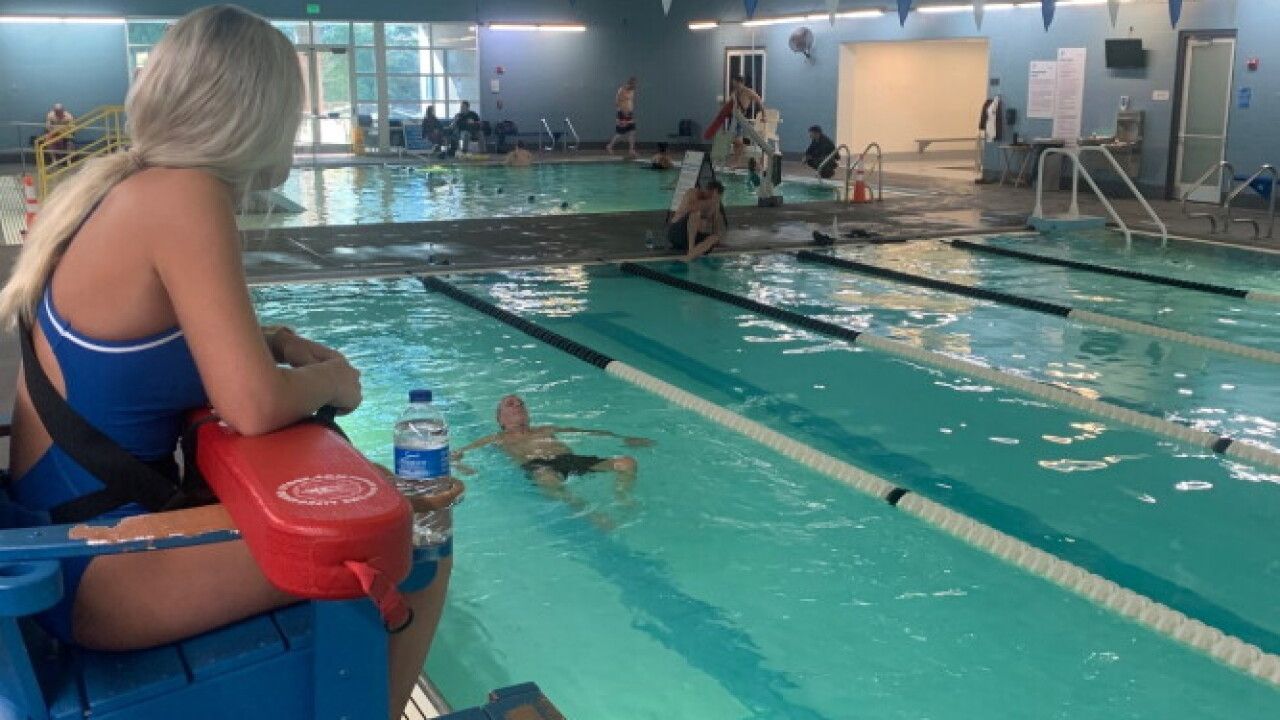


NASHVILLE, Tenn. (WTVF) — The YMCAs of Middle Tennessee recently installed the AngelEye AI monitoring system in their indoor pools, drawing backlash from parents who say they were never informed about the cameras.
The technology uses cameras to track swimmer movements and detect possible drownings, sending real-time alerts to lifeguards. The YMCA plans to finish installing the cameras in all 12 indoor pools by the end of the year.
WATCH: Middle Tennessee YMCA AI cameras spark parent privacy concerns
A new petition claims most members did not know about the cameras. Parents are demanding their immediate removal and raising concerns about where the video is stored. Some worry the footage could be sold or used to train AI models.
The YMCA released a statement addressing those concerns, saying the system operates on a secure, closed network and that images are only used for drowning detection and lifeguard training.
With so much public discourse around the use of camera technology in our community, we can understand the concerns raised for some members by our installation of the AngelEye drowning detection system.
We want to reassure members that the safety and privacy of our members are always our top priority, including in our decision to deploy this potentially life-saving tool.
AngelEye operates on a closed system that underwent rigorous security review. Any images captured by the system are used only for drowning detection, emergency response and, when applicable, lifeguard training.
They are never sold or shared. Every second matters in a water emergency.
Drowning can happen quietly and much faster than many people realize.
AngelEye doesn't replace our trained lifeguards. It serves as an additional layer of support that may help identify potential concerns sooner, giving lifeguards more time to respond.
Even a small amount of additional response time can make a meaningful difference during an emergency.
Are AI cameras in public pools a safety solution or a privacy violation? Watch Eric Pointer's full report to see what parents are saying and what the YMCA is promising — then share your thoughts directly with Eric at Eric.Pointer@NewsChannel5.com. Your voice could help shape our continued coverage of this story.
This story was reported by Eric Pointer and has been converted to this platform with the assistance of AI. Eric Pointer and our editorial team verifies all reporting on all platforms for fairness and accuracy.

September 11, 2001 is a day most associate with terror and tragedy. Austin Pollack shares a story from that day about hope and persistence: the effort to save a little girl’s life – with an organ donation. The problem? The young patient was in Houston, and her life-saving liver here in Nashville. With the grounding of all civilian aircraft, how could it be done? “Nobody ever said this isn’t possible.”
- Rhori Johnston