


MURFREESBORO, Tenn. (WTVF) — A former Murfreesboro Police Department detective has been indicted after investigators say he took money from a confidential drug fund and used a law enforcement database for personal reasons.
An investigation by the Tennessee Comptroller’s Office and Tennessee Bureau of Investigation found Reginal D. Primas misappropriated at least $2,760 from a drug fund he was solely responsible for managing.
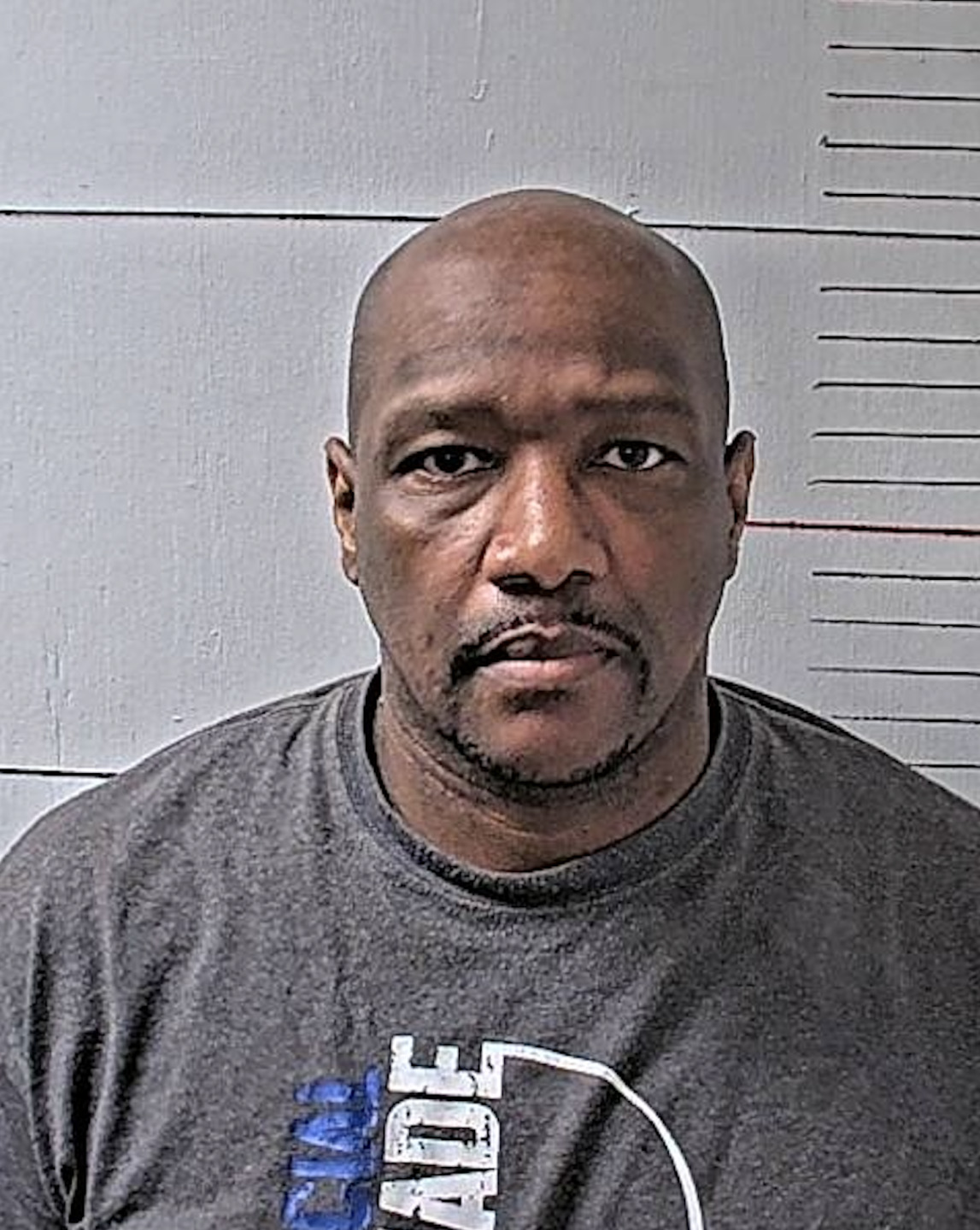
Police supervisors discovered the shortage during an audit on Jan. 7, 2026, and Primas was placed on paid administrative leave.
Investigators said Primas tried to hide the missing money during a required self-audit on Dec. 31, 2025. They said he withdrew $1,420 from his personal bank account and temporarily put it into the drug fund to make the balance appear correct. After the audit, investigators said he redeposited $1,400 into his personal account and falsely reported how much cash remained in the fund.
Primas later admitted he took money from the fund for his personal benefit, according to investigators.
The investigation also found Primas accessed the Criminal Justice Portal 14 times between 2023 and 2026 for personal reasons, looking up information on at least 10 people who were not connected to criminal investigations. Investigators said he also shared information from the system with a friend who was not a commissioned law enforcement officer.
A Rutherford County grand jury indicted Primas in August on one count of theft over $2,500, one count of forgery, two counts of tampering with governmental records and 13 counts of official misconduct.
Primas resigned from the Murfreesboro Police Department on Aug. 6.
“Drug funds require strict accountability because they are entrusted to individual detectives for sensitive law enforcement operations,” said Comptroller Mumpower. “Department policy required supervisors to conduct quarterly audits of these funds, but those audits were not documented. Following that policy may have identified this shortage much sooner and reduced the opportunity for it to continue undetected.”

September 11, 2001 is a day most associate with terror and tragedy. Austin Pollack shares a story from that day about hope and persistence: the effort to save a little girl’s life – with an organ donation. The problem? The young patient was in Houston, and her life-saving liver here in Nashville. With the grounding of all civilian aircraft, how could it be done? “Nobody ever said this isn’t possible.”
- Rhori Johnston