


NASHVILLE, Tenn. (WTVF) — College professors in Tennessee with tenure currently receive significant job protections that supporters say ensure academic freedom, while critics argue these protections exceed what other workers receive. Now, state lawmakers are debating different approaches to reforming the system.
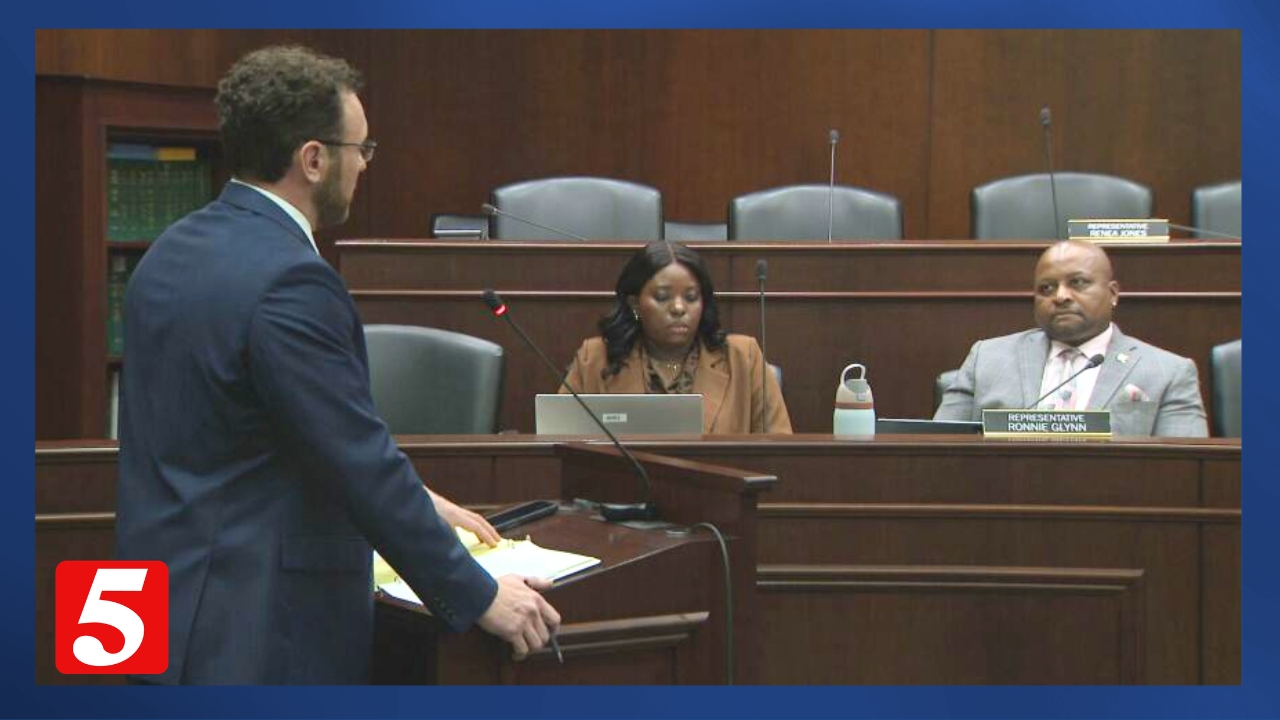
Two bills focused on college professors and tenure came up for debate in the Tennessee legislature Wednesday in the House Higher Education Subcommittee, presenting very different ideas on how to make changes to the current system.
Tenure Discipline Reform
"A institution of higher ed should be for learning. It shouldn't be about social agendas, social justice agendas," State Rep. Jason Zachary said.
Zachary, a Knoxville Republican, wants to keep the tenure system itself intact but calls for changes to the discipline process. Currently, there are public hearings and appeals that usually involve peer faculty members. "When you have that many people involved, it's almost impossible to hold anyone accountable," Zachary said.
Zachary's proposal would give the university president or chief academic officer the sole authority to discipline, suspend or fire faculty for cause, whether they are tenured or not. University board of trustees would create other rules and procedures related to the discipline process.
"Your peers are the ones who keep you in line," Rep. Ronnie Glynn said.
Glynn, a Clarksville Democrat, called the bill retaliation. "I think this bill really and truly is a reaction to what happened over the summer with the death of Charlie Kirk," Glynn said.
Austin Peay State University theater professor Darren Michael was fired for a social media post following Charlie Kirk's assassination, but University President Michael Licari didn't follow proper tenure protocol. Michael was later reinstated and given a $500,000 settlement. While Michael wasn't specifically brought up by Republican lawmakers Wednesday, at least one reference was made about his settlement.
Meanwhile, MTSU's head of Judicial Affairs Laura Sosh-Lightsy was also terminated for a social media post following Charlie Kirk's death. Sosh-Lightsy was not a professor and didn't have tenure. She remains separated from the university. However, she has filed a lawsuit against MTSU claiming wrongful termination.
Zachary thinks higher education should start working more like the private sector. "Whether it's Freight Line or Google, Amazon, if you put something out that lacks basic decency and go against whatever personnel code they have within their company, they have the right to remove you from that position," Zachary said.
"Private, you do what you want to do, you own that company. You own whatever, but the government shall not -- I believe that's what the First Amendment says," Glynn said in response.
That bill ultimately advanced along party lines with five votes in favor and one against.
Abolishing Tenure
A second bill from Representative Justin Lafferty, also a Knoxville Republican, would remove the tenure system from Tennessee-based public universities altogether.
Lafferty began introducing his proposal this way. "We can have state employees that we pay with our tax dollars, mock might not be the right word, but can certainly be very insensitive towards the death of another human being, and as a Tennessean, I'm not comfortable with the fact that person can't be removed from a job," Lafferty said.
But then came a surprise. Lafferty withdrew his bill from consideration. "With those words, Mr. Chairman, I think I'm going to take this off notice for now and we'll maybe be back," Lafferty said.
Afterwards, I asked Lafferty why he did that. He told me making that big of a change to tenure this quickly likely didn't have a path forward this year.
Do you have more information about this story? You can email me at Chris.Davis@NewsChannel5.com.

September 11, 2001 is a day most associate with terror and tragedy. Austin Pollack shares a story from that day about hope and persistence: the effort to save a little girl’s life – with an organ donation. The problem? The young patient was in Houston, and her life-saving liver here in Nashville. With the grounding of all civilian aircraft, how could it be done? “Nobody ever said this isn’t possible.”
- Rhori Johnston