


NASHVILLE, Tenn. (WTVF) — Tennessee Republicans are advancing a controversial amendment that merges a statewide school voucher expansion with policies that would financially penalize public school districts when undocumented students dis-enroll.
House Speaker Cameron Sexton made a rare appearance to vote in the House Finance, Ways and Means Subcommittee on April 1 to show support for House Bill 2532.
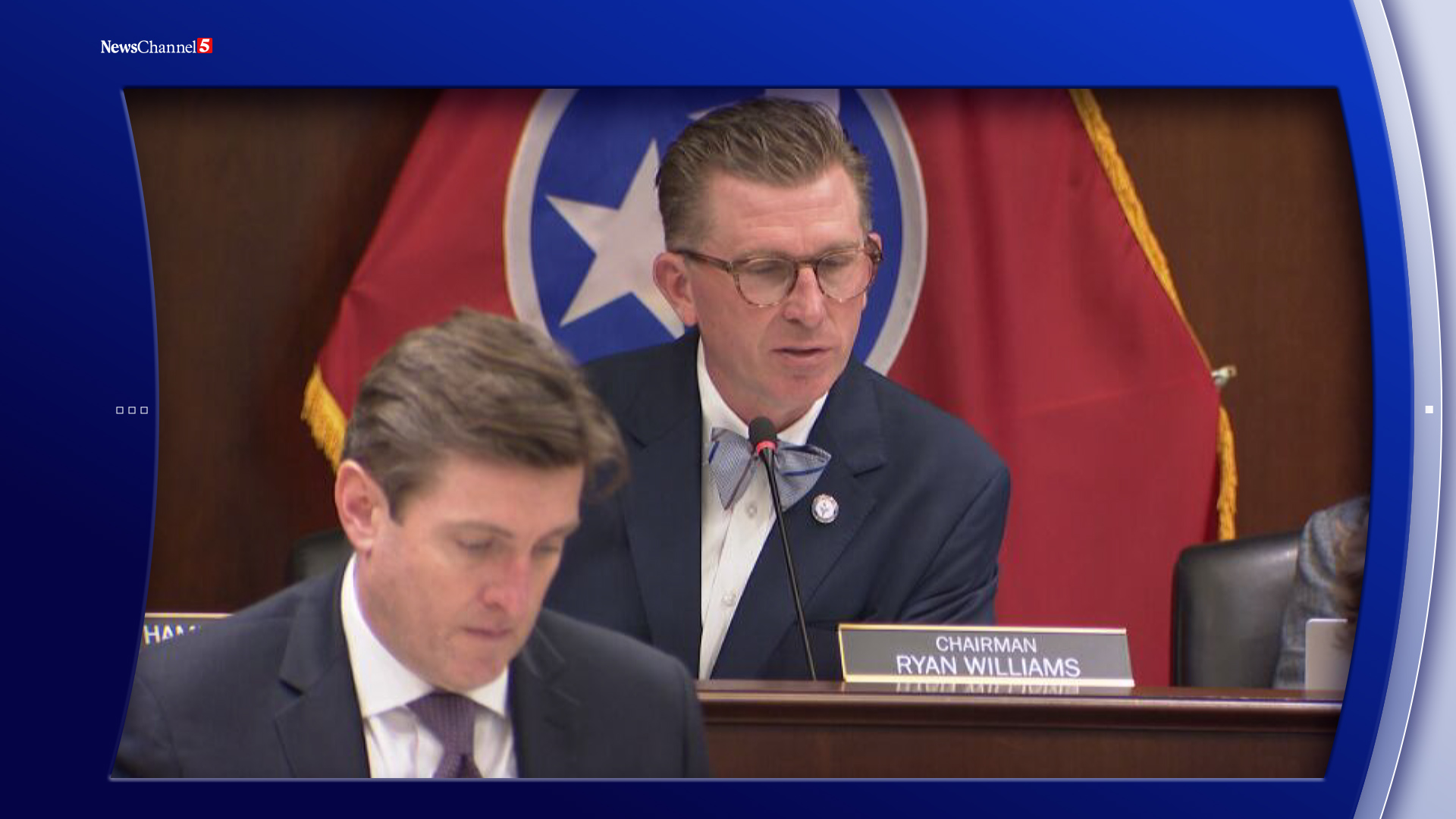
The legislation, originally requested by Gov. Bill Lee, aims to expand the state's Education Freedom Scholarships from 20,000 to 40,000 slots. However, the new amendment caps the program at a maximum of 35,000 scholarships for the 2026-2027 school year, reducing the proposed expansion. "It would be a reduction of the expansion from 20,000 new scholarships to 15,000 new scholarships," Rep. Ryan Williams said during subcommittee debate.
The most controversial change involves school funding. Under current law, districts do not lose funding when students leave for private schools or dis-enroll for other reasons. Under the amended proposal, school districts would only retain state funding for disenrolled students if those students can prove they are U.S. citizens, in the process of obtaining citizenship, hold a valid legal immigration status, or are subject to pending immigration proceedings without a final order of removal.
This incentivizes school districts to ask about citizenship when a student first enrolls. It means urban school districts, like Metro Nashville, could receive less state funding if they have a higher number of undocumented immigrants disenroll for any reason. "There’s a transparency component in there as it relates to citizenship for students," Williams said. "How many kids are we actually funding?"
The funding shift marks a major departure from what state Republicans said last year when trying to pass the overall voucher bill. "No public school system will lose any funding, at any time, as a result of disenrollment," Gov. Lee said in the build-up to the 2025 voucher vote.
Williams argued against keeping funding for all dis-enrolled students. "That’s why I thought it wasn’t fiscally conservative to do that," Williams said.
The amendment also changes who gets priority for the vouchers. First preference goes to past recipients, followed by students whose household income is at or below 100% of the free or reduced-price lunch threshold, and then those at or below 300%. If slots go unfilled, families above the income limit could apply.
Additionally, the state will be required to report the county, public school enrollment status, and household income tiers of voucher applicants for the first time. "This bill will modify the floor and create transparency," Williams said.
The bill ultimately passed the subcommittee 9-3 with Democrat State Rep. Johnny Shaw (D-Boliver) present but not casting a vote. The measure moves to the full Finance Committee.
This legislation is different from a separate effort to require all school districts to check the immigration or citizenship status of their students. That bill would not block undocumented students from enrolling, but state leaders say they want a headcount on how many of those students the state educates each year.
Do you have more information about this story? You can email me at Chris.Davis@NewsChannel5.com.

Every night, Forrest Sanders brings us stories showcasing the best of humanity. This story profiles, perhaps, Tennessee's most eccentric resident who made an impact on an aspiring journalist. I'm always in awe of Forrest's storytelling; I truly appreciated his vulnerability with this one.
- Carrie Sharp