

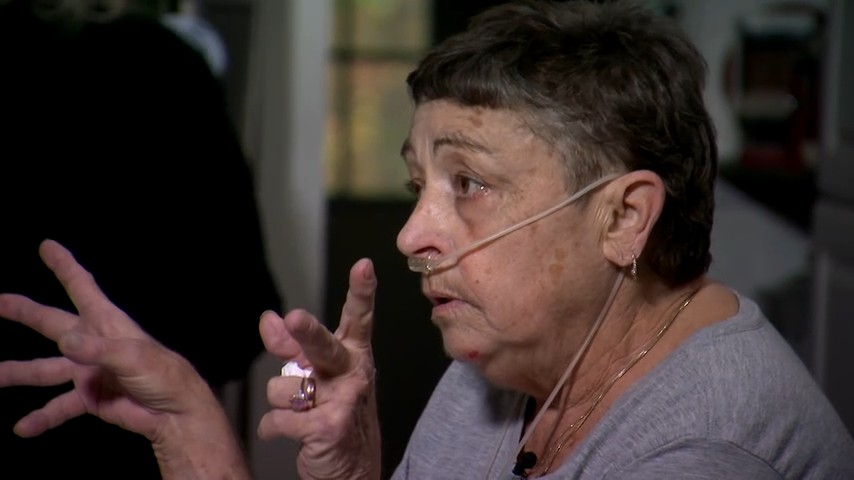


GOODLETTSVILLE, Tenn. (WTVF) — A Goodlettsville couple is struggling to keep up with sky-high electric bills, driven in part by the medical equipment they depend on around the clock.
Robin Hampton and her husband are both seniors dealing with long COVID. Robin also has COPD, with her lungs functioning at only 35%. Both require around-the-clock oxygen, which has pushed their monthly electric bill to $500 or more.
"We don't eat, or we don't get medicine. We choose that every month — which one we're not going to do," Robin Hampton said.
The couple currently owes Nashville Electric Service (NES) $1,493.
"I'm going to be dead without it. I have no choice," Robin said.
Robin is on disability. Like millions of Americans in that situation, earning too much could cost her the very benefits she depends on — making it nearly impossible to catch up on a bill like this.
"We get help from the Metro Action Commission as much as we can. I feel bad because other people need it too. I don't want to take all the money," Robin said. "It's like I got to have electricity."
The cost of running a home oxygen machine is something many people may not realize. A 2018 study published in the Journal of the American Medical Association found that a machine like Robin's, running continuously under normal operating conditions, could add about $285 a year to an electric bill in Tennessee. Depending on electricity rates in other states, that annual cost ranged from $252 in Louisiana to $853 in Hawaii.
"It's stressful every month to know you're going to go through the same thing every month," Robin said.
Beyond the assistance the Hamptons have already received through a program called LIHEAP, NES and TVA both offer free energy-efficiency upgrades that could help lower electric bills over the long run. NES did not respond to questions about the Hamptons' account.
Until government agencies, equipment manufacturers or health insurers like Medicare address the cost of running medical equipment at home, people who depend on it may continue struggling to keep up with their electric bills.
"You tell me how I'm supposed to pay that bill and get caught up and not do it again next month," Robin said.
I am continuing to look into electricity rebates, vouchers or other assistance programs that could help the couple manage their bills. If you know of a program that could help, email me at Hannah.McDonald@NewsChannel5.com.
This story was reported on-air by a journalist and has been converted to this platform with the assistance of AI. Our editorial team verifies all reporting on all platforms for fairness and accuracy.
