


NASHVILLE, Tenn. (WTVF) — Let’s face it, vacations can be expensive. Flights, hotels, car rentals, or even a cruise can quickly add up to thousands of dollars. But what if a medical emergency, natural disaster, or mega travel delays disrupt your trip? That’s where travel insurance might come in handy. Consumer Reports takes a closer look at what those policies cover, what they don’t, and whether they’re worth your money.
Mandy Trahan and her family were vacationing in Puerto Vallarta and says that their trip to Mexico took an unexpected turn when cartel violence broke out, forcing the city into lockdown and shutting down the airport. Mandy says, “There was kind of a mad rush to try to find your way home, try to find accommodation.”
Mandy had travel protection through her credit card. But when she looked closely at the terms, she wasn't sure it would cover an extended stay. Consumer Reports says credit card coverage is a good start, but it’s often limited.
A separate travel insurance policy may cover things like refunds if you prepaid for a vacation, but you can’t take the trip due to illness, or extra hotel nights, meals, or the cost of rebooking a flight if your trip is disrupted.
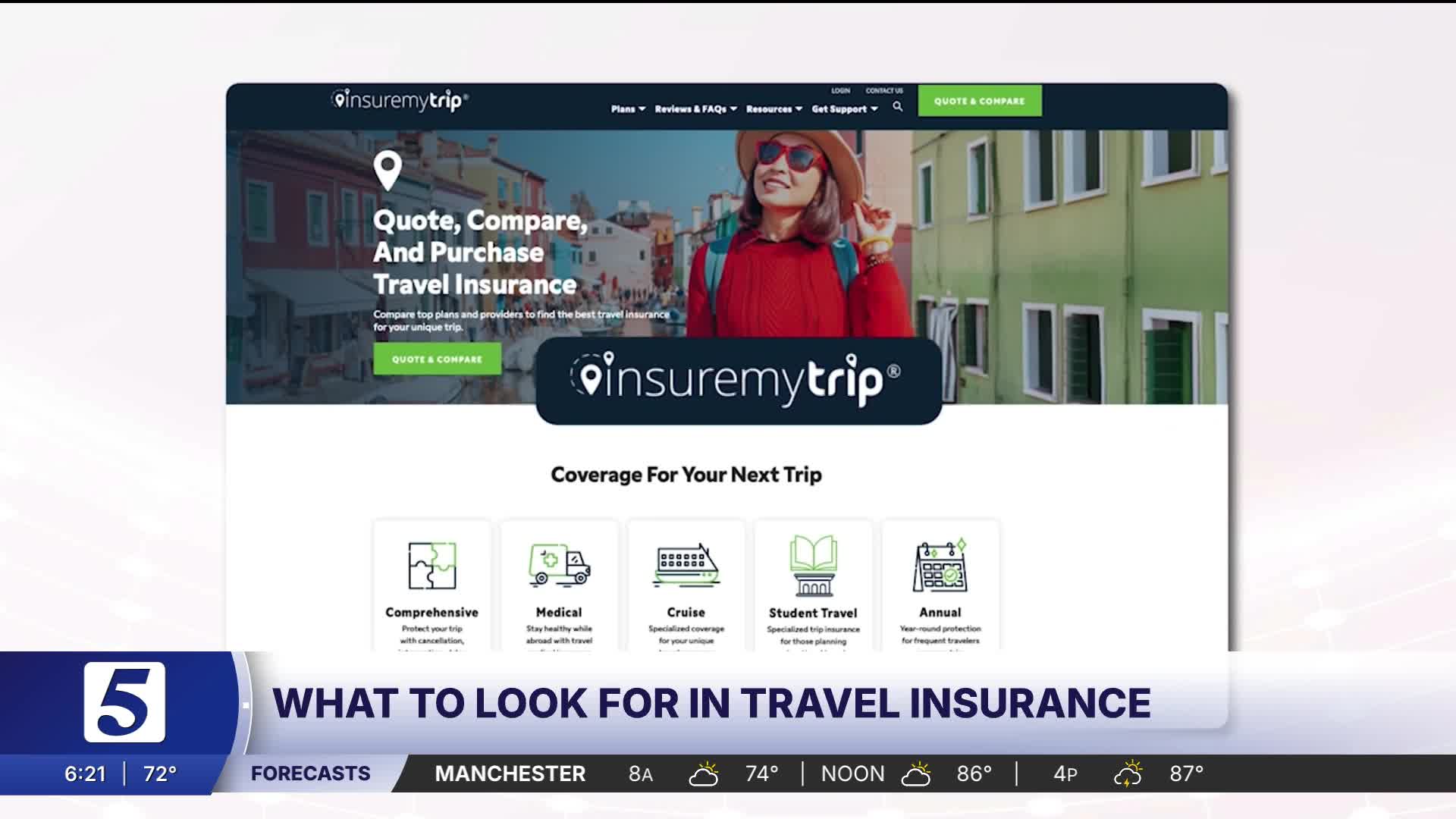
Consumer Reports says Sites like InsureMyTrip and Squaremouth make it easier to compare plans. Once you find a policy, don’t assume that you’re covered for everything. Lisa Gill, an investigative reporter with Consumer Reports, says, “Make sure you know what the policy will and won’t pay for.”
A medical emergency is also worth thinking about. Most health insurance plans, including Medicare, offer limited or no coverage abroad. Consider a plan that covers medical evacuation, especially if you’re going somewhere outside the U.S. with limited access to major hospitals, such as on a cruise.
And if you have a preexisting condition, check that it’s covered, and when comparing plans, choose one that provides “primary coverage,” so you don’t have to file a claim with your own health insurance first.
Finally, check that the travel insurance company has strong ratings from the Better Business Bureau and A.M. Best.
For Mandy, the takeaway is to have a better backup plan when things don’t go as expected. She says, “Travel insurance is definitely a nice security to have and gives you peace."
Consumer Reports says if you have a licensed travel or booking agent, they can help you understand exactly what your policy covers, so you're not left guessing when you actually need it.

September 11, 2001 is a day most associate with terror and tragedy. Austin Pollack shares a story from that day about hope and persistence: the effort to save a little girl’s life – with an organ donation. The problem? The young patient was in Houston, and her life-saving liver here in Nashville. With the grounding of all civilian aircraft, how could it be done? “Nobody ever said this isn’t possible.”
- Rhori Johnston