


NASHVILLE, Tenn. (WTVF) — The data center debate has arrived in Tennessee — and three Nashville-area researchers say the decisions being made right now will shape communities for generations.
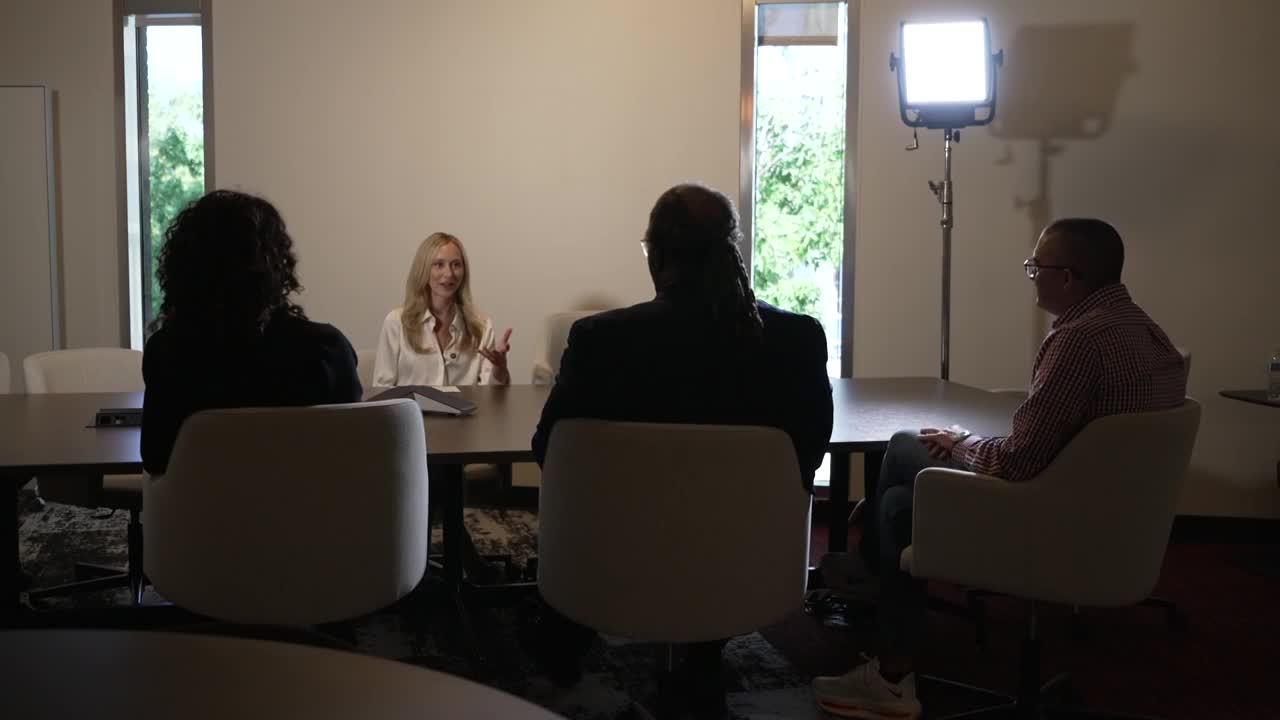
Nikki Hauser sat down with Jenny Davis, director of the Sociology of AI Lab at Vanderbilt University; Ken Mayer of the School of Computing at Lipscomb University; and Bryan Wallace of the Department of Life and Physical Sciences at Fisk University for a wide-ranging town hall on data centers, artificial intelligence, environmental impact, and what communities can do about it.
Watch the full town hall above.
Why is this happening now?
Data centers are not new. Universities and corporations have operated them for decades. But the rise of artificial intelligence has triggered a dramatic leap in scale — from facilities the size of a home to complexes the size of a university campus — and that growth is accelerating.
That scale is at the heart of the public backlash.
The panel pointed to Memphis as a cautionary tale. Elon Musk's xAI company built a data center complex straddling the Tennessee-Mississippi border, with promises of zero emissions, improved water infrastructure, and new jobs for the community. According to the panel, those promises have largely gone unfulfilled. Gas turbines emitting heavy pollutants replaced cleaner alternatives. A gray water facility broke ground but is now paused with no restart planned until at least 2027. Electric bills have risen. The community, the panel said, was not meaningfully consulted — and what happened there happened to the people of Memphis, not with them.
The environmental justice dimension
The panel was direct about who tends to bear the burden of these decisions.
The researchers drew a line from the deferred maintenance of New Orleans levees to the water crisis in Flint, Michigan, to what they described as data centers being placed in communities of color without adequate consultation. They framed it as a pattern of environmental racism — one that demands intentional, transparent engagement.
Fisk University, an HBCU with deep roots in Nashville's social justice history, is itself exploring a data center on its campus. The panel said the university has been deliberate about community engagement, including a recent meeting with the North Side community in Nashville to explain academic plans, potential benefits, and the full range of design options — including more ecologically responsible ones. The panel agreed that transparency is the only viable path forward.
Electricity, water, and what it costs your community
The panel broke down two of the most significant resource concerns:
Electricity: AI data centers run 24 hours a day, 7 days a week, drawing enormous amounts of power from aging electrical grids. Across the United States, some communities near large data center clusters have seen electric bills rise 20 to 30%. The panel noted that while companies often offer to cover connection costs, they are still consuming electricity from the shared grid — a distinction that matters for ratepayers.
Water: This is where design choices make an enormous difference. The panel explained the distinction between open loop and closed loop water cooling systems. In a closed loop system, water circulates within the facility, carrying heat away from servers and cooling via outside air before being recycled back in — similar to water cooling systems used in high-performance gaming computers, but at a vastly larger scale. An open loop system draws in fresh water, uses it for cooling, and releases it.
The difference in water consumption between the two systems is roughly 80%. The panel used a concrete comparison: a closed loop system might use the equivalent of about 7 swimming pools worth of water, while an open loop system uses dramatically more.
Noise: the problem you can hear
AI data centers require different, more powerful equipment than traditional corporate data centers. The chillers, generators, and cooling systems that keep servers running operate outdoors — often separated from surrounding neighborhoods by nothing more than a standard metal fence.
The result is a constant low hum, often measuring 60 to 70 decibels, running around the clock. For communities already living near these facilities, the panel acknowledged there is little recourse after the fact. The panel noted that for data centers already built without community input or ecological design standards, residents have been vocal about their frustration — and that footage of those communities is not hard to find.
What communities can do — and what's already changing
The Memphis situation, the panel argued, has had an unintended mobilizing effect. Communities across Tennessee and the country have watched what happened and demanded a different process.
Nashville has seen moratoria and pauses on data center development. Regulations around water use, electricity, and tax incentives — while imperfect — have become more substantive. Politicians have slowed down and listened.
The panel pointed to Gallatin as a middle-ground example: Meta operates a 900-acre data center facility there with roughly $20 million in tax abatements. The mayor has since said she would approach the process differently.
The researchers said the arc of the public conversation has shifted — from "what is a data center" to widespread anger about data centers to, now, an informed community dialogue with real demands for transparency, ecological design standards, and accountability. The panel said that shift is the direct result of community mobilization, and that it represents meaningful progress.
The benefits are real, too
The panel was careful to balance the discussion. Data centers power navigation apps, self-driving vehicles, email, and the AI tools increasingly woven into daily life. The panel noted that many people who are skeptical of data centers are already benefiting from the infrastructure they provide — often without realizing it.
The researchers also pointed to economic opportunity, particularly for communities that position themselves as informed participants rather than passive recipients of decisions made elsewhere. Fisk's approach — training students to engage with this technology while centering social justice — was offered as a model for how HBCUs and other institutions can help shape who benefits from the AI economy. The panel emphasized that the goal is not just to produce students who are fluent in this technology, but students who carry with them an understanding of its community impact.
The bottom line
Data centers are coming to Tennessee. The question, the panel agreed, is not whether they will be built — it is how, where, at what scale, and with what accountability to the communities that will live alongside them. The panel was clear: in areas where communities have not organized or spoken up, data centers have been built without meaningful input. Engagement is not optional.
The panel also reflected on what this moment represents beyond data centers themselves — a broader reckoning with how AI and technology companies have moved rapidly into communities, and an opportunity for those communities to shape the future they want.
Watch the full conversation above to hear everything the panel had to say — including the details on water systems, design standards, and what Nashville's data center future could look like.
Is a data center coming to your neighborhood? Do you have a story to share about how AI infrastructure is affecting your community? Reporter Nikki Hauser wants to hear from you. Reach her directly at Nikki.Hauser@newschannel5.com.
This story was reported on-air by a journalist and has been converted to this platform with the assistance of AI. Our editorial team verifies all reporting on all platforms for fairness and accuracy.

September 11, 2001 is a day most associate with terror and tragedy. Austin Pollack shares a story from that day about hope and persistence: the effort to save a little girl’s life – with an organ donation. The problem? The young patient was in Houston, and her life-saving liver here in Nashville. With the grounding of all civilian aircraft, how could it be done? “Nobody ever said this isn’t possible.”
- Rhori Johnston