
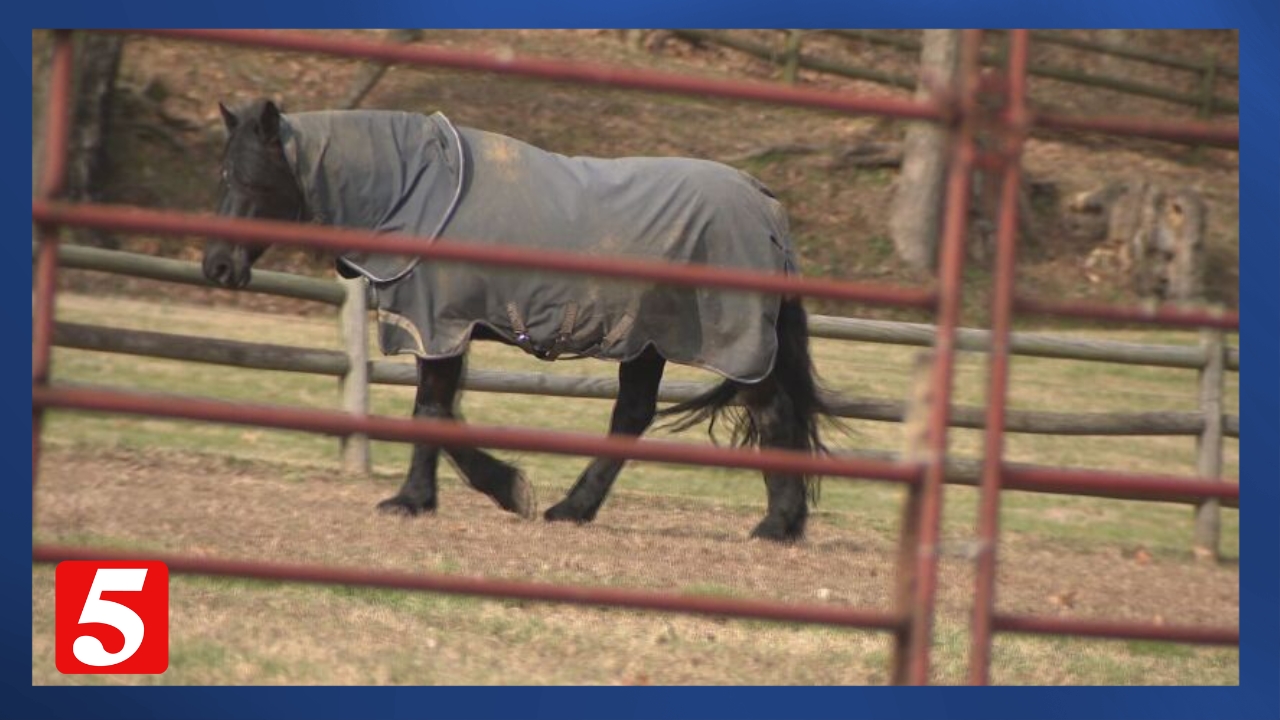


BRENTWOOD, Tenn. (WTVF) — Tennessee's unusually warm winter weather may feel pleasant, but the dramatic temperature swings have the potential to create serious challenges for the state's agriculture industry.
With most of Tennessee now experiencing drought conditions, farmers and agricultural experts are grappling with how these weather patterns could impact food production and prices for consumers across the region.
I visited a farm in Brentwood to understand how the mild, dry conditions are affecting agriculture. The impacts extend far beyond farm gates to food prices, jobs, and local economies.
Williamson County Extension Agent Matt Horsman, who spends his days helping farmers solve problems, was strategizing care for newborn calves during my visit. Three calves had been born within two weeks in December — on the 9th, 20th, and 23rd.
"Nobody likes to say how I like 20-degree weather, but as far as raising animals, consistent cold weather is actually more beneficial," Matt Horsman said.
Temperature swings, too, pose concerns for Tennessee farmers during the winter months.
"We get health issues, especially on the cattle side. We will see a lot of respiratory issues with those 40-degree swings, high humidity, rain, and then all of a sudden you get into really wet periods," Horsman said.
The drought conditions visible on current weather monitoring maps show most of Tennessee facing dry conditions after an unusually arid fall and winter. The deeper the color, the worse the drought. Yellow is abnormally dry, tan is moderate drought, and orange represents severe drought, according to the National Drought Mitigation Center.

"Really dry fall. It's been a pretty dry winter. So we're not building up that moisture level," Horsman said. "So that's why we don't normally seed in the spring."
The lack of moisture creates a compounding problem as warmer months approach.
"If you're not at a full kind of moisture level going into summer, you're only depleting it even faster. So we get into drought conditions a lot quicker in the summer," Horsman said.
So far, the springlike temperatures haven't caused major issues for pasture plantings, according to Horsman. However, reports of animals getting sick have emerged due to the volatile weather conditions.
With Tennessee's weather constantly changing, agricultural experts like Horsman remain vigilant, always welcoming questions from farmers or requests for farm visits.
This story was reported on-air by Hannah McDonald and has been converted to this platform with the assistance of AI. Our editorial team verifies all reporting on all platforms for fairness and accuracy.

September 11, 2001 is a day most associate with terror and tragedy. Austin Pollack shares a story from that day about hope and persistence: the effort to save a little girl’s life – with an organ donation. The problem? The young patient was in Houston, and her life-saving liver here in Nashville. With the grounding of all civilian aircraft, how could it be done? “Nobody ever said this isn’t possible.”
- Rhori Johnston