
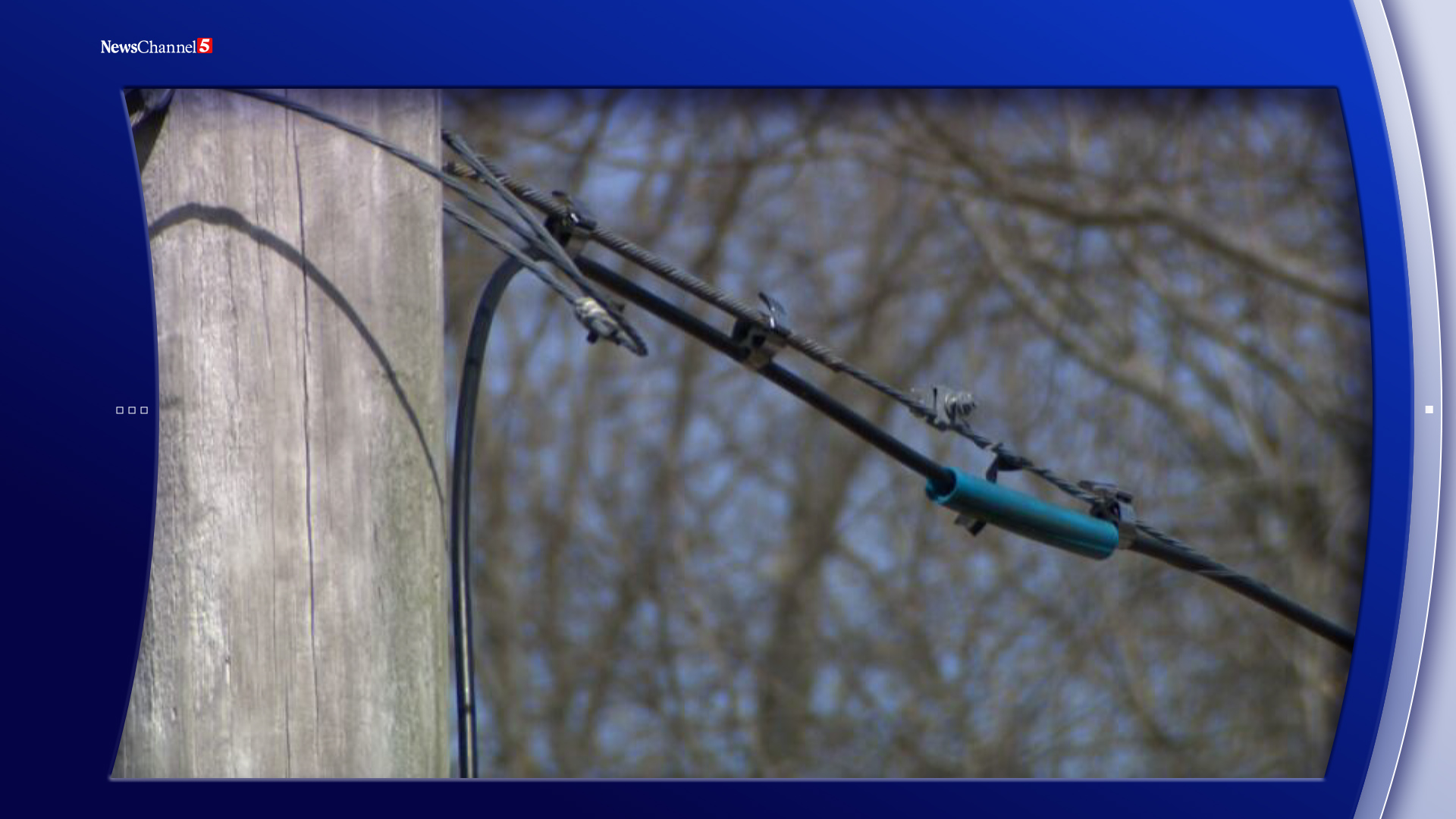


NASHVILLE, Tenn. (WTVF) — Tennessee is on the verge of closing a decades long gap in broadband internet access. The state's Economic and Community Development office has announced it will use more than $200 million in federal funds to ensure every home and business in Tennessee has access to high-speed internet by the end of 2028.
The funding comes through the federal Broadband Equity, Access and Deployment Program — known as BEAD — and will cover 128 projects across 74 counties, reaching more than 43,000 previously unserved or underserved locations. Grantees will also provide $200 million in matching funds, bringing the total combined investment to more than $402 million.
The state estimates about 98% of Tennessee currently has the ability to sign up for high-speed internet. The remaining 2% represents homes and businesses that providers have not yet reached — often because the cost of building out infrastructure in remote areas makes it difficult to justify as a business decision.
"The internet is not a luxury anymore, it's a utility," Mark Cook, manager of the broadband division at Cumberland Electric Membership Corporation (CEMC), said.
CEMC reached its own significant milestone in 2024, outfitting its entire five-county service area with broadband access. "It was a very expensive capital project for our cooperative," Cook said.
But the reality is, for a lot of internet providers, it doesn't make a lot of business sense to make sure every single home and business is wired for broadband. That's where the state comes in.
Taylre Beaty, the state broadband director at the Tennessee Department of Economic and Community Development, called broadband a critical tool and acknowledged the challenge of getting to full statewide coverage. In addition to prohibitive costs, some remote areas are harder to reach, whether stringing broadband lines overhead or burying them underground. Beaty said the federal funds will help make full coverage a reality. "We're going to be paying for the capital expenses of building out broadband or reserving capacity," Beaty said.
Beaty said the long-term payoff extends well beyond internet access. "The payoff is that our community members get the chance to access these critical services long term and I think that really impacts all facets of economic development like access to education, healthcare," Beaty said.
Under state law, CEMC — as a cooperative — was required to offer broadband to everyone in its coverage area. Cook said he's glad that same kind of access will soon be available to all Tennesseans. "Won't that be a great day, when there's nobody that says, I don't have access to the internet," Cook said.
While the state will fund the grid expansion for high-speed internet, it will still be up to each owner or customer to sign up and pay for the service. Tennessee's BEAD-funded projects have an anticipated completion date of December 2028.
Do you have more information about this story? You can email me at Chris.Davis@NewsChannel5.com

September 11, 2001 is a day most associate with terror and tragedy. Austin Pollack shares a story from that day about hope and persistence: the effort to save a little girl’s life – with an organ donation. The problem? The young patient was in Houston, and her life-saving liver here in Nashville. With the grounding of all civilian aircraft, how could it be done? “Nobody ever said this isn’t possible.”
- Rhori Johnston