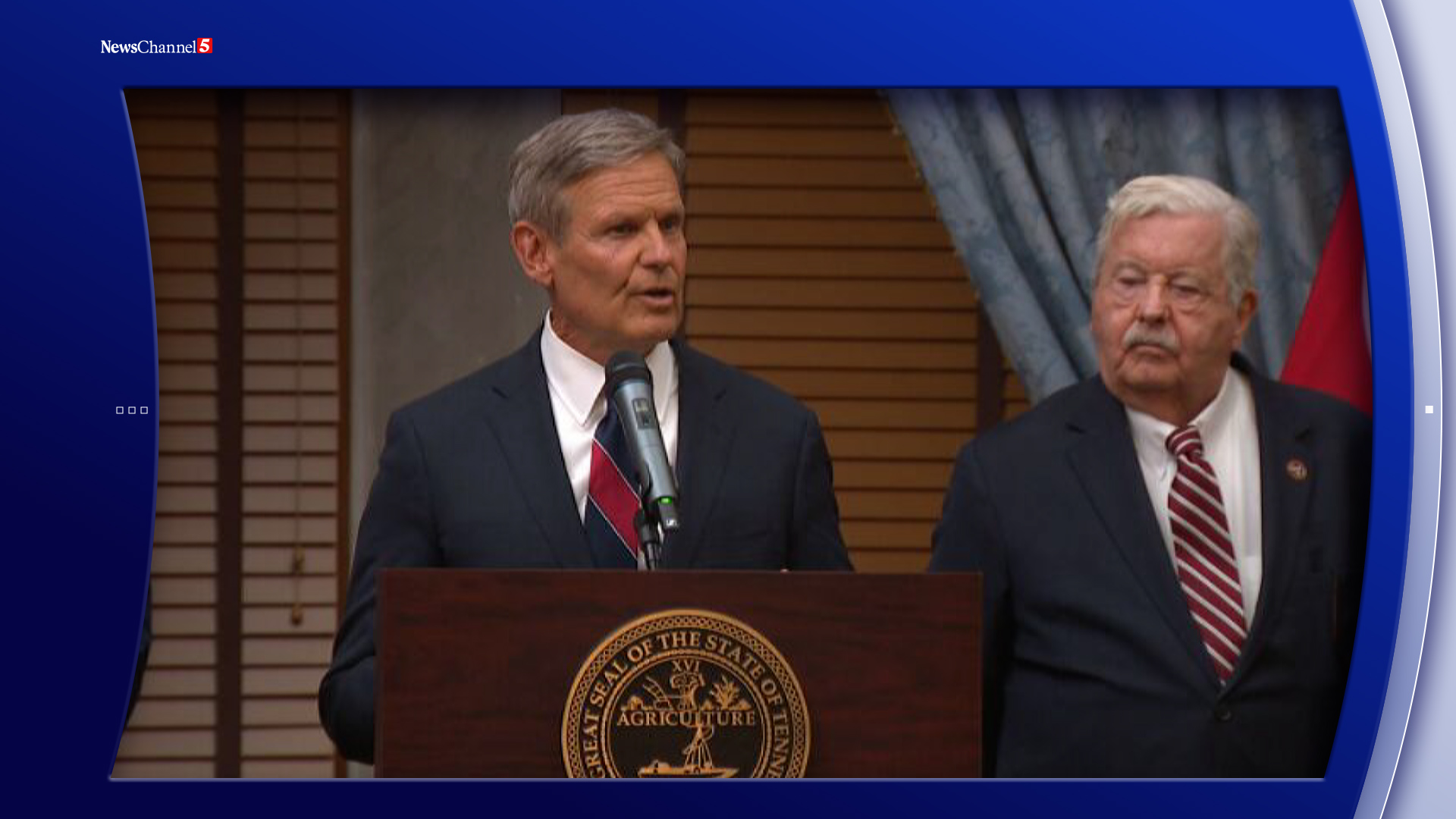


NASHVILLE, Tenn. (WTVF) — The Tennessee General Assembly wrapped up its 2026 legislative session late Thursday night after four months of debate and controversy. Because this is an election year, some lawmakers may be retiring or sent home by voters. However, the bills debated by the legislature will leave a lasting impact on the state.
Feelings on the end of the legislative session were divided. "We’re proud of the work we’ve done," said State Sen. Ken Yager (R-Kingsport) who serves as Senate Republican Caucus Chair.
"It’s been a long year," Senate Minority Leader Raumesh Akbari (D-Memphis) said.
Education
Several education related bills passed this session. The governor’s statewide school choice program will expand to 35,000 slots.
Efforts to expand the original voucher program, called Education Savings Accounts that only impacts Davidson, Shelby and Hamilton Counties, failed to get enough support. Lawmakers did strip the TCAP testing requirement from the ESA program. Now, private school students can take a national norm test of their choice.
Public school districts will also now have the option to post the Ten Commandments along with other historical documents. The Senate wanted a version that was mandatory for all Tennessee schools, but ultimately agreed to adopt the House version.
Healthcare
Tennessee pharmacies are no longer allowed to own pharmacy benefit managers. CVS, which owns its own pharmacy benefit manager, has threatened to close all of its Tennessee locations rather than sell that part of its business. The issue will likely go to court, which may delay or prevent the closures.
Nashville Oversight
Lawmakers also passed several bills increasing state oversight of Nashville's operations. One bill, debated in the final minutes of the session, restructures the Nashville Electric Service board. Every county served by the utility will get at least one board seat, meaning surrounding counties will now outnumber Nashville’s representation. "This is going to provide for representation of people that live outside that jurisdiction," Senate Majority Leader Jack Johnson (R-Franklin) said on the Senate floor Thursday night.
The state also passed a bill allowing Tennessee Highway Patrol troopers to help police Nashville's large downtown tourism district. State leaders argued they deserve more control over entities like the Nashville International Airport because of state funding, despite courts previously stopping an attempt to take over the Nashville Airport Authority Board. Nashville leaders argue the current mayor-appointed board is functioning well.
"It's not a power grab. I would say if you're investing $50, $100, $150, million in something would want to have people on that board to make sure that investment is doing well?" Speaker Cameron Sexton (R-Crossville) said on Inside Politics with Ben Hall. "But at the end of the day we put in a lot of money. We've done a lot of things to help the airport."
Earlier this week, State Rep. Aftyn Behn (D-Nashville) called Sexton Nashville's "Shadow Mayor." Sexton denied the claim but criticized Nashville's current tax level. "If I was the Mayor of Nashville which I'm not obviously, I would try to lower taxes, get your budget under control and reduce taxes for everybody and figure out how to live off your growth. How to budget a little bit better how to handle your infrastructure," Sexton said.
Immigration
Several immigration-related bills also passed. Local law enforcement is now required to assist federal immigration authorities. Other measures include checking immigration status before someone receives public benefits and forcing individuals to take an English-only driver's test after living in the state for three years.
A measure that would have required local school districts to ask students about their immigration status stalled in the Senate.
What was left out
House and Senate Democrats expressed concern that Tennessee did not dedicate enough funding for transportation and infrastructure. "We didn’t fill the potholes, we didn’t build better roads, we didn’t build better schools, we didn’t fully fund our schools," House Democratic Caucus Chair John Ray Clemmons (D-Nashville) said.
"We need to find a dedicated source of income of revenue for that," House Minority Leader Karen Camper (D-Memphis) said.
Gov. Lee agreed that the next governor will have to do more to solve transportation issues. "We recognize for a high growth state like ours, that’s a priority," Lee said. "What I would say is we cannot stop. We have clearly have made a lot of progress but it's one of the most important issues facing a state like ours is expanding the revenue streams that go toward infrastructure. We’ve done that but we have much to do there."
Do you have more information about this story? You can email me at Chris.Davis@NewsChannel5.com.

September 11, 2001 is a day most associate with terror and tragedy. Austin Pollack shares a story from that day about hope and persistence: the effort to save a little girl’s life – with an organ donation. The problem? The young patient was in Houston, and her life-saving liver here in Nashville. With the grounding of all civilian aircraft, how could it be done? “Nobody ever said this isn’t possible.”
- Rhori Johnston